
Introduction
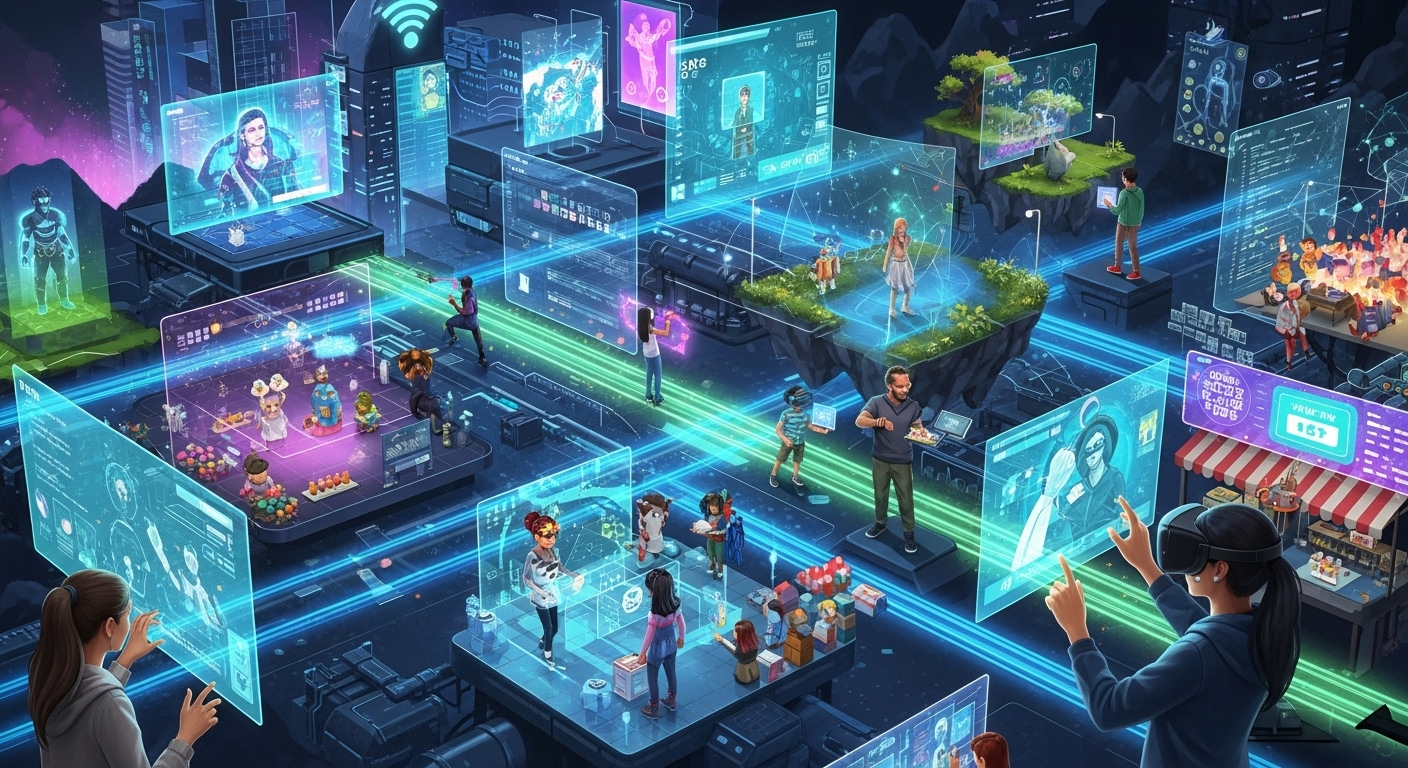
The concept of the metaverse has moved from science fiction into real technological ambition. Once considered a futuristic dream, the metaverse is now being built piece by piece with the help of advanced technologies. At its core, the metaverse refers to an interconnected network of digital spaces where people can interact, socialize, work, play, and create using virtual and augmented environments. While the vision is broad and constantly evolving, the foundation of the metaverse lies in technology. From powerful processors and high-speed networks to immersive virtual reality headsets and decentralized systems, technology is the engine that drives this vast digital ecosystem. Understanding how tech powers the metaverse requires a deep dive into multiple layers of hardware, software, and infrastructure that make the dream of interconnected virtual worlds possible.
The Role of Computing Power
At the foundation of the metaverse lies raw computing power. To create persistent and realistic virtual environments, machines need to process massive amounts of data at incredible speeds. High-performance processors, including both central processing units (CPUs) and graphics processing units (GPUs), serve as the backbone of metaverse experiences. CPUs manage the general computations and logic needed to run virtual worlds, while GPUs render the detailed graphics that make these worlds feel immersive.
In recent years, GPUs have taken center stage because of their ability to handle parallel processing tasks efficiently. Companies like NVIDIA and AMD have developed powerful graphics cards that can render lifelike environments, realistic avatars, and dynamic interactions in real time. Beyond GPUs, specialized processors such as tensor processing units are emerging as critical tools for artificial intelligence-driven features in the metaverse, such as intelligent NPCs, automated moderation, and adaptive environments that respond to user behavior.
Cloud computing further expands the potential of the metaverse by distributing processing tasks across vast data centers. Instead of relying solely on local devices, users can experience high-quality environments streamed from the cloud. This ensures that even devices with moderate hardware can access the metaverse without sacrificing performance. The combination of local power and cloud infrastructure creates a seamless foundation for scaling the metaverse to millions of users simultaneously.
Virtual Reality and Augmented Reality Technologies
One of the most recognizable aspects of the metaverse is immersion, and this is largely delivered through virtual reality and augmented reality technologies. Virtual reality headsets place users directly inside digital spaces, offering a 360-degree field of view, spatial audio, and motion tracking. Devices like VR headsets rely on advanced optics, high-resolution displays, and low-latency tracking systems to create the sense of presence that is central to the metaverse experience.
Augmented reality, on the other hand, overlays digital content onto the physical world. AR-powered glasses and mobile devices make it possible to blend real-world environments with digital information. While VR is often seen as the gateway to fully immersive metaverse experiences, AR offers opportunities for integrating virtual interactions into everyday life. For example, attending a work meeting where colleagues appear as holograms in a living room exemplifies the potential of AR in the metaverse.
These technologies depend on innovations in sensors, motion tracking, and haptics. Sensors embedded in headsets track head movement, eye gaze, and even facial expressions, enabling avatars to mirror user emotions. Motion tracking systems ensure that hand and body movements translate naturally into digital interactions. Haptic devices, such as gloves and suits, extend immersion further by providing tactile feedback, allowing users to feel textures, vibrations, and resistance within virtual spaces.
Artificial Intelligence and Machine Learning
Artificial intelligence plays a crucial role in powering the metaverse, as it helps automate, personalize, and enhance digital experiences. AI algorithms can generate realistic environments, populate them with intelligent non-player characters, and analyze user interactions to create adaptive experiences. For instance, AI can be used to build vast virtual landscapes filled with dynamic weather, wildlife, and evolving storylines, ensuring that the metaverse remains engaging and unpredictable.
Machine learning models also support personalization. By analyzing user behavior, AI can suggest relevant activities, recommend social groups, or customize avatars to reflect individual preferences. AI-driven voice recognition and natural language processing enable smoother communication across languages, breaking down barriers for a global community.
AI moderation is another essential aspect of a healthy metaverse. With millions of people interacting in shared spaces, AI systems are needed to detect harmful behavior, enforce community guidelines, and prevent disruptive activities. This ensures that virtual environments remain safe and inclusive for all participants.
Blockchain and Decentralization
The metaverse is not just a technological ecosystem but also an economic one. Blockchain technology provides the infrastructure for decentralized ownership, enabling digital assets to exist beyond the control of a single corporation. Through blockchain, users can buy, sell, and trade virtual goods such as clothing for avatars, digital art, real estate in virtual worlds, and even services.
Non-fungible tokens (NFTs) have emerged as a cornerstone of digital ownership in the metaverse. By creating verifiable proof of ownership on the blockchain, NFTs allow users to collect and showcase digital assets that cannot be duplicated or counterfeited. This creates opportunities for creators, artists, and developers to monetize their work directly within the metaverse.
Decentralized finance systems also integrate with the metaverse, offering mechanisms for lending, borrowing, and investing in digital economies. Cryptocurrencies serve as the primary means of exchange in many virtual worlds, allowing users to transact securely across borders without traditional banking systems. Blockchain ensures transparency, trust, and permanence in economic interactions, which is essential for sustaining the digital economies of the metaverse.
Networking and 5G Connectivity
The metaverse requires seamless real-time interaction among millions of users across the globe, and this is only possible through high-speed, low-latency networks. Traditional internet infrastructure faces limitations when handling the bandwidth and responsiveness required for immersive experiences. This is where 5G and next-generation networking technologies come into play.
5G networks offer extremely low latency and high bandwidth, which means data can be transmitted almost instantly between devices and servers. This makes activities such as multiplayer gaming, collaborative work, and virtual concerts possible without lag or disruption. For the metaverse, 5G ensures that users can experience fully synchronized environments regardless of their location.
Beyond 5G, edge computing further enhances connectivity by processing data closer to the user rather than in distant data centers. This reduces latency and ensures smoother experiences, particularly in applications where timing is critical, such as virtual sports events or interactive training simulations. Together, advanced networking and edge computing form the nervous system of the metaverse, enabling it to function as a truly global, real-time ecosystem.
Digital Twins and Simulation Technologies
Another way technology powers the metaverse is through the use of digital twins and advanced simulation systems. A digital twin is a virtual representation of a real-world object, environment, or system that can be interacted with in the digital space. In the metaverse, digital twins can represent cities, factories, workplaces, or even entire ecosystems.
Industries are increasingly using digital twins to model and optimize processes in a risk-free environment. For example, urban planners can test the impact of infrastructure changes in a simulated city before implementing them in reality. Similarly, companies can design and test products in virtual factories before manufacturing them.
These simulations rely on advanced computing, 3D modeling, and real-time data integration. As sensors collect information from the physical world, digital twins in the metaverse can remain updated, creating an accurate and interactive reflection of reality. This convergence of the physical and virtual worlds demonstrates the practical potential of the metaverse beyond entertainment, extending into healthcare, education, and industrial innovation.
Content Creation and User Empowerment
The metaverse is not only built by corporations but also shaped by its users. Technology empowers individuals to create, share, and monetize their own content. Sophisticated 3D creation tools, intuitive design platforms, and collaborative environments allow anyone to contribute to building digital worlds.
Game engines such as Unity and Unreal Engine serve as the foundation for many metaverse environments, providing the tools necessary to create lifelike graphics, physics, and interactivity. These engines allow developers to design games, social hubs, and marketplaces that are interconnected within the broader metaverse.
User-generated content is equally important. Avatars, clothing, furniture, and even entire environments can be created by participants. This not only fuels creativity but also fosters a sense of ownership and community. The metaverse thrives on diversity, and technology ensures that users are not just consumers but also active creators of their virtual experiences.
Security and Privacy Technologies
As with any digital system, the metaverse faces challenges related to security and privacy. Protecting personal data, ensuring secure transactions, and safeguarding digital identities are all critical. Biometric systems, such as facial recognition and fingerprint scanning, play a role in verifying identities, while advanced encryption techniques protect communications and transactions.
Decentralized identity systems are emerging to give users more control over their personal information. Instead of relying on centralized platforms to manage data, individuals can maintain ownership of their digital identities, choosing when and how to share information. Cybersecurity technologies such as firewalls, intrusion detection systems, and anomaly monitoring are essential to defend against threats ranging from hacking attempts to large-scale attacks on virtual economies.
Building trust in the metaverse depends on these security measures. Without robust safeguards, users may be hesitant to engage fully in virtual environments, particularly when financial transactions and sensitive data are involved.
The Future of Tech in the Metaverse
The technologies powering the metaverse continue to evolve at an unprecedented pace. Future advancements in quantum computing could further enhance the complexity and realism of virtual environments, enabling simulations of entire universes with unparalleled detail. Brain-computer interfaces may blur the line between thought and action, allowing users to navigate digital spaces through neural signals rather than physical movements.
Advances in haptic technology promise to make virtual interactions more tangible. Full-body haptic suits could enable users to feel not only textures but also temperature, pressure, and even pain within virtual environments, creating a new level of immersion. Similarly, innovations in display technology could produce ultra-lightweight AR glasses indistinguishable from ordinary eyewear, making the metaverse seamlessly integrated into everyday life.
As these technologies mature, the metaverse will become more accessible, inclusive, and versatile. It will serve not only as a space for entertainment and social interaction but also as a critical platform for education, work, commerce, and innovation.
Conclusion
The metaverse may still be in its early stages, but its foundation is already being laid through a wide range of technological innovations. Computing power, immersive VR and AR systems, artificial intelligence, blockchain, high-speed networks, and countless other tools work together to create this digital universe. Technology does not just enable the metaverse; it defines its possibilities, shaping how people will connect, create, and thrive in virtual spaces.
As the metaverse grows, it will continue to push the boundaries of what technology can achieve. Each advancement in hardware, software, and infrastructure brings humanity one step closer to a future where the digital and physical worlds are seamlessly integrated. The story of how tech powers the metaverse is not just about machines and code but about the limitless potential of human imagination fueled by innovation.