
Introduction: Technology Beyond Screens
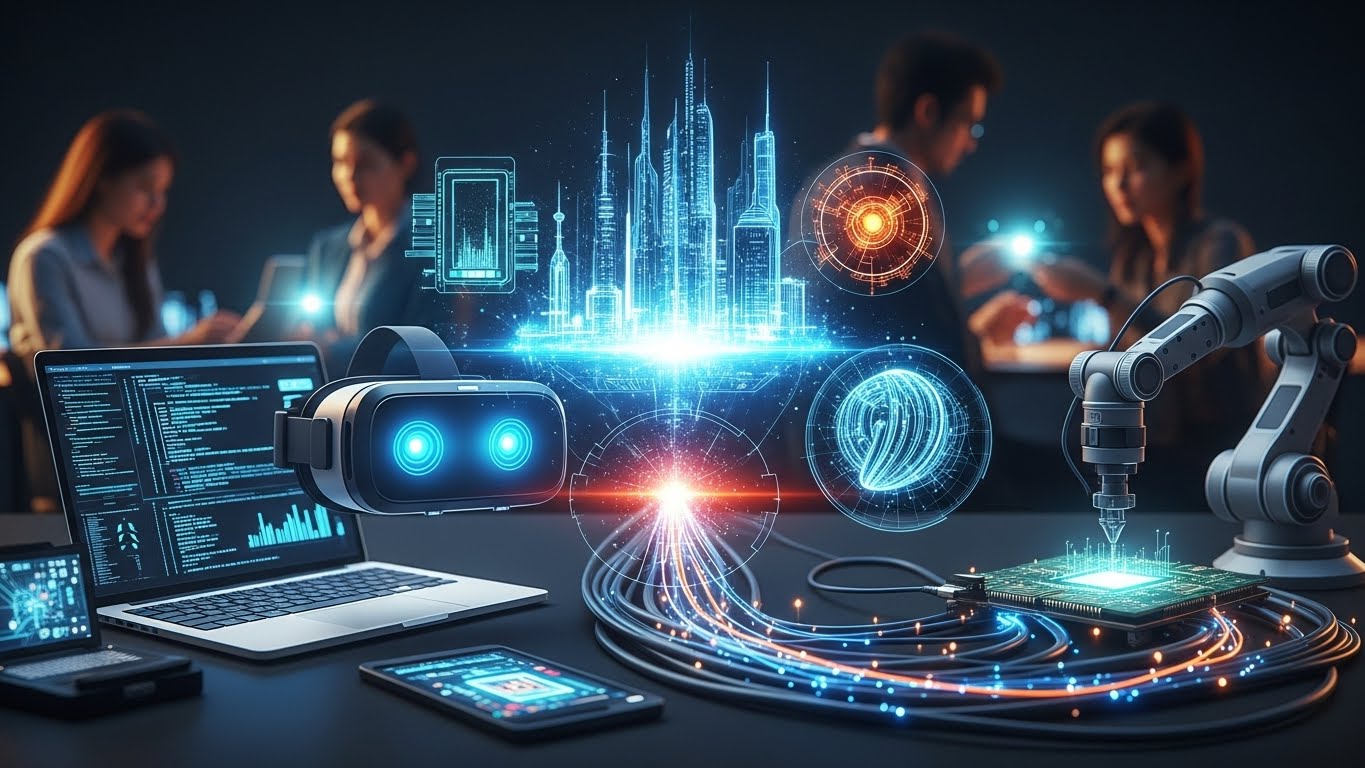
Technology is often associated with glowing screens, smart devices, and constant notifications, but its true influence goes far deeper. It operates quietly in the background, reshaping how societies function, how economies grow, and how individuals live their daily lives. From the moment we wake up to the systems that power cities at night, technology acts as an invisible engine driving progress. Understanding its role means looking beyond gadgets and recognizing how deeply it is woven into modern existence.
The Evolution from Tools to Intelligence
Human history has always been linked to tools. Early inventions like the wheel and fire were technological breakthroughs of their time. As centuries passed, simple tools evolved into machines, and machines eventually transformed into intelligent systems. The shift from mechanical to digital technology marked a turning point, enabling faster communication, automated processes, and unprecedented access to information. Today, technology no longer just assists humans; it collaborates with them, learning and adapting through advanced systems.
Technology and the Way We Think
One of the most profound effects of technology is how it influences human thinking. Instant access to information has changed how people learn, solve problems, and make decisions. Memory has shifted from storing facts to understanding concepts and navigating information efficiently. While this creates opportunities for innovation and creativity, it also demands critical thinking skills to distinguish accuracy from misinformation. Technology has expanded the mind’s reach, but it also requires responsibility in how knowledge is consumed and shared.
The Digital Transformation of Communication
Communication has been completely redefined by technology. Messages that once took weeks to deliver now arrive instantly. Voice, text, and visual communication blend seamlessly, allowing people to connect across continents in real time. This transformation has strengthened relationships, enabled global collaboration, and amplified voices that were once unheard. At the same time, it has reshaped language, attention spans, and social interaction, creating a new balance between connection and distraction.
Technology in Everyday Life
Many technological systems operate unnoticed, yet they shape daily routines. Transportation networks rely on intelligent systems to manage traffic and improve safety. Homes are increasingly supported by automated solutions that enhance comfort and energy efficiency. Even basic services such as banking, shopping, and healthcare depend on digital platforms working behind the scenes. This integration makes life more convenient but also increases dependence on reliable and secure systems.
Innovation and the Modern Workplace
The workplace has undergone a dramatic transformation due to technology. Traditional offices are no longer the only center of productivity. Digital tools enable remote collaboration, flexible schedules, and global teamwork. Automation has taken over repetitive tasks, allowing humans to focus on creativity, strategy, and problem solving. While this shift creates new opportunities, it also demands continuous learning as roles evolve and new skills become essential for career growth.
Technology as a Driver of Economic Growth
Technology plays a crucial role in economic development. It increases efficiency, reduces costs, and opens new markets. Entire industries have emerged around digital services, data management, and innovation. Small businesses can now compete globally, while startups can scale rapidly with limited resources. However, this rapid growth also raises questions about economic balance, job displacement, and the need for fair access to technological resources.
Education in the Age of Technology
Learning is no longer confined to classrooms or textbooks. Technology has expanded education through digital platforms, interactive content, and personalized learning experiences. Students can explore subjects at their own pace and access diverse perspectives from around the world. Teachers benefit from tools that enhance engagement and assessment. Despite these advantages, the human element remains essential, as guidance, curiosity, and critical discussion cannot be fully replaced by machines.
Healthcare and Technological Advancement
Technology has revolutionized healthcare in remarkable ways. Advanced diagnostic tools improve accuracy, while data driven systems help predict and prevent illnesses. Remote consultations increase access to medical care, especially in underserved areas. Research and development benefit from computational power that accelerates discoveries. These advancements save lives and improve quality of care, yet they also highlight the importance of ethical standards and data privacy.
The Ethical Side of Technology
With great power comes great responsibility. As technology becomes more capable, ethical considerations become more urgent. Questions about privacy, surveillance, bias, and control challenge societies to define boundaries. Decisions made by intelligent systems must align with human values, fairness, and transparency. Responsible development ensures that technology serves humanity rather than undermining trust and freedom.
Technology and Human Creativity
Contrary to the fear that technology limits creativity, it often enhances it. Artists, writers, designers, and musicians use digital tools to experiment and express ideas in new ways. Technology provides platforms for sharing creativity with global audiences and collaborating across disciplines. While tools can assist creation, imagination and emotional depth remain uniquely human qualities that technology helps amplify rather than replace.
Environmental Impact and Sustainable Technology
Technology has a complex relationship with the environment. On one hand, industrial growth has contributed to environmental challenges. On the other hand, innovative technologies offer solutions for sustainability. Renewable energy systems, efficient resource management, and data driven environmental monitoring help reduce harm and promote balance. The future depends on how wisely technology is applied to protect the planet for generations to come.
The Human Connection in a Tech Driven World
As technology becomes more integrated into life, maintaining human connection is essential. Face to face interaction, empathy, and emotional understanding cannot be fully replicated by digital systems. Technology should enhance relationships rather than replace them. Finding harmony between digital convenience and genuine human experience is one of the defining challenges of the modern era.
Preparing for the Future
The pace of technological change shows no sign of slowing. Preparing for the future requires adaptability, curiosity, and lifelong learning. Individuals, institutions, and governments must work together to ensure that technological progress benefits everyone. Education, policy, and ethical leadership play vital roles in guiding innovation toward positive outcomes.
Conclusion: Technology as a Human Reflection
Technology is not an external force acting upon humanity; it is a reflection of human ambition, creativity, and values. Every system and innovation carries the intentions of its creators. When guided by wisdom and responsibility, technology becomes a powerful tool for progress, connection, and understanding. The invisible engine of technology continues to shape the modern world, and its true potential lies not in machines themselves, but in how humans choose to use them.