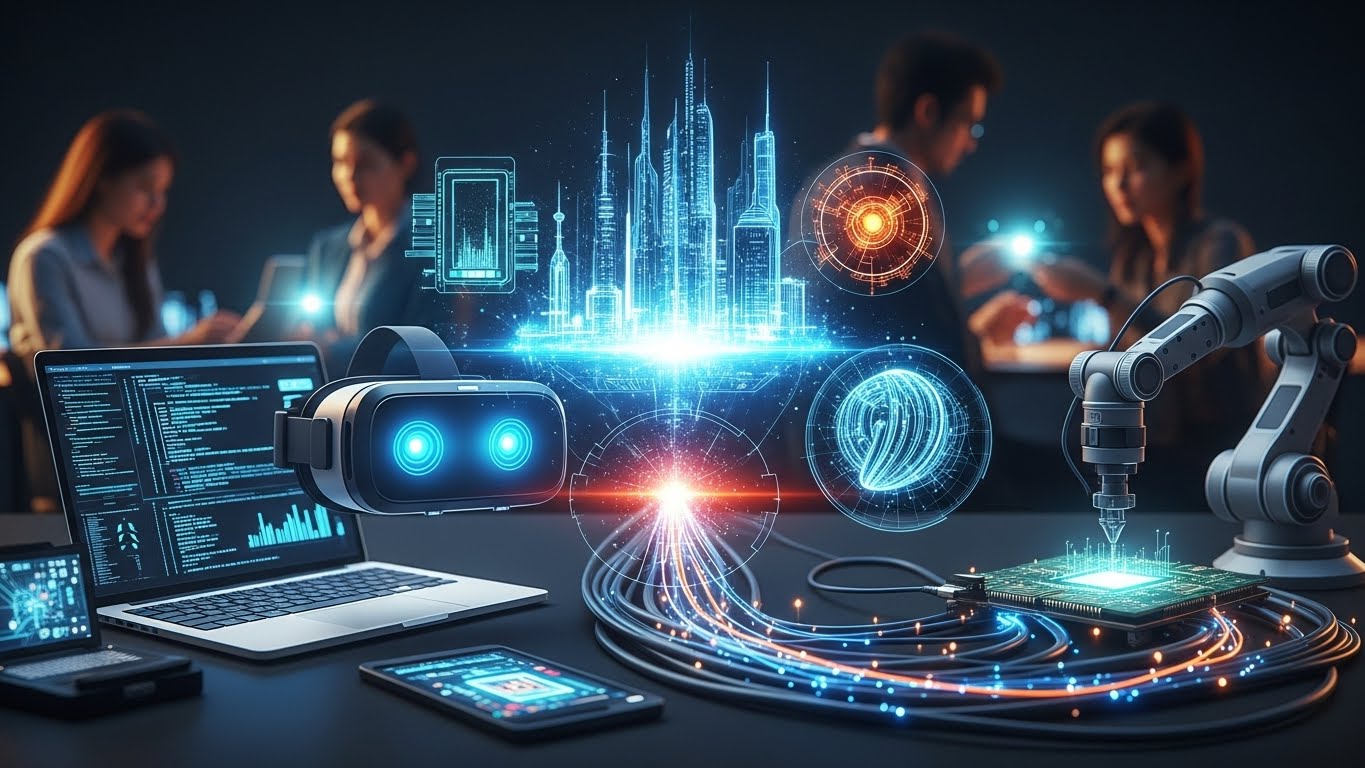
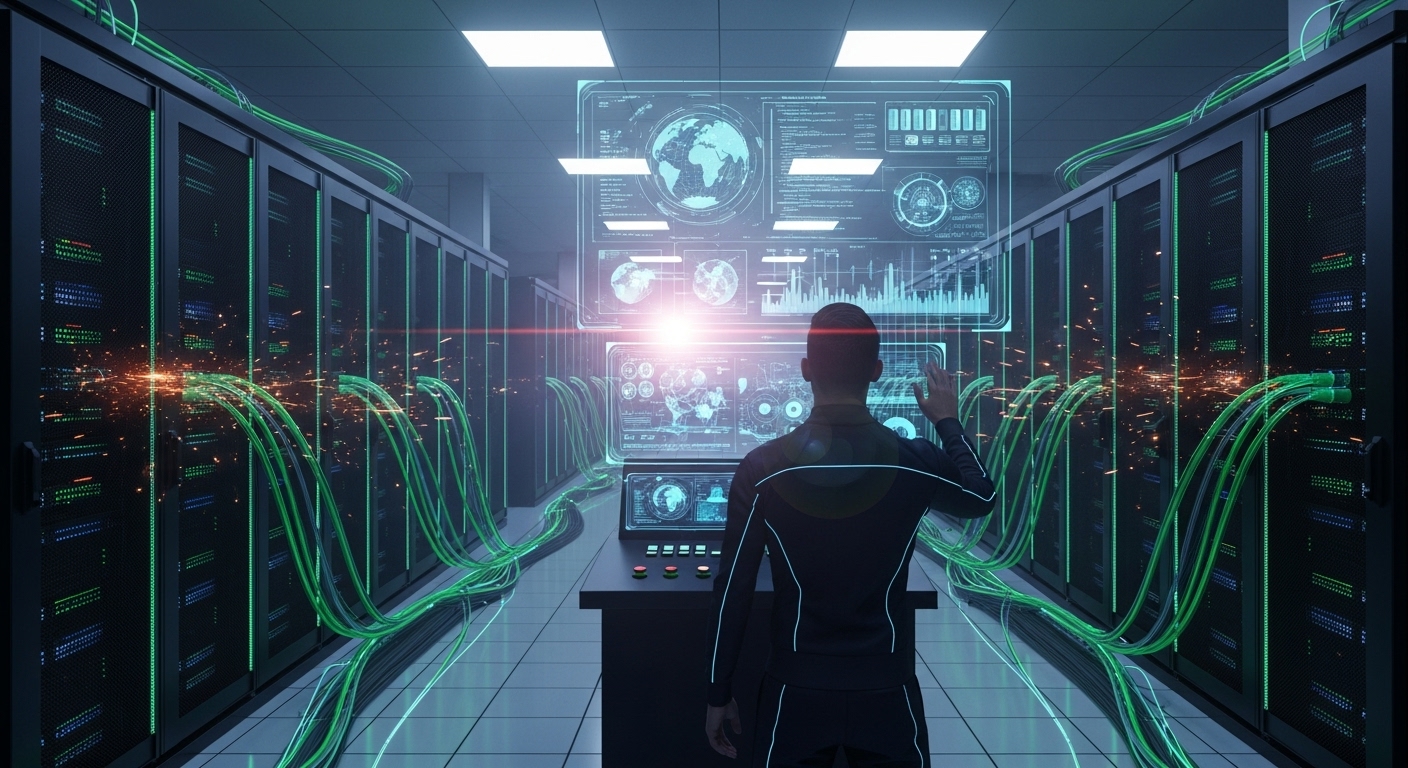
Technology is no longer just a part of our daily lives—it is the driving force shaping our future. From the way we communicate to how we think, work, and even dream, technology continues to push the boundaries of what humanity can achieve. Let’s explore how these innovations are changing our world and what the future might hold.
Artificial Intelligence: The Brain Behind Modern Innovation
Artificial Intelligence, or AI, has evolved from a futuristic concept into a practical tool that touches nearly every industry. Whether it’s voice assistants that understand natural speech, algorithms that recommend what we watch next, or robots performing surgeries, AI is at the heart of digital transformation.
The power of AI lies in its ability to learn and adapt. It analyzes massive amounts of data faster than any human could, helping businesses make smarter decisions and enabling scientists to solve complex problems. As AI becomes more advanced, it is expected to reshape everything from education and finance to art and entertainment.
The Power of Data: The New Digital Fuel
In the modern world, data is often called the new oil—and for good reason. Every digital action, from sending a message to shopping online, generates data. This data, when analyzed, provides valuable insights that can drive innovation and improve lives.
Businesses use data to understand consumer behavior, governments use it for smarter policies, and scientists use it to make groundbreaking discoveries. However, as data grows in importance, so does the need for privacy and ethical use. Protecting personal information will be one of the greatest challenges of the digital age.
The Internet of Things: A Connected World
The Internet of Things, or IoT, refers to the network of smart devices that communicate and share information without human intervention. From smart homes that adjust lighting and temperature automatically to wearable devices that track health metrics, IoT is bringing convenience and intelligence to our daily routines.
Beyond personal use, IoT plays a crucial role in industries such as agriculture, transportation, and manufacturing. Smart sensors can monitor crop health, track shipments, and even predict machine failures before they occur. The result is a world that operates with greater efficiency, safety, and sustainability.
Cloud Computing: The Backbone of Digital Transformation
Cloud computing has become the invisible infrastructure supporting our digital lives. It allows users to store, access, and process information over the internet instead of relying on local devices. This shift has made technology more accessible, affordable, and scalable.
From small startups to global corporations, the cloud provides the flexibility needed to innovate quickly. It enables remote collaboration, supports massive data storage, and powers many of the online services people rely on daily. As cloud technology continues to evolve, it will make computing even more powerful and secure.
Cybersecurity: Protecting the Digital Future
As technology grows, so do digital threats. Cybersecurity has become a top priority for individuals, businesses, and governments worldwide. With hackers finding new ways to exploit vulnerabilities, protecting sensitive information has never been more critical.
Strong encryption, biometric authentication, and AI-driven threat detection are among the most effective defenses against cyberattacks. However, technology alone isn’t enough—awareness and education are equally important. The future of cybersecurity will depend on a combination of innovation and human responsibility.
The Role of Automation: Changing How We Work
Automation is transforming industries by taking over repetitive and time-consuming tasks. Robots and software systems are increasing productivity, reducing human error, and creating opportunities for people to focus on creative and strategic work.
While some fear automation may replace jobs, it also creates new roles that didn’t exist before. The key lies in adapting to this new digital workforce and equipping people with the skills needed to thrive alongside intelligent machines.
Emerging Technologies: The Road Ahead
Beyond what exists today, emerging technologies like quantum computing, virtual reality, and biotechnology promise to revolutionize the world even further. Quantum computers could solve problems in seconds that would take traditional computers years. Virtual and augmented reality will reshape how we learn, work, and interact. Biotechnology will enable life-changing medical breakthroughs and possibly extend human lifespan.
The journey ahead will be full of challenges, but also endless possibilities. As technology continues to evolve, the potential for innovation is limited only by our imagination.
Conclusion: Building a Smarter and More Human Future
Technology is not just about machines or codes—it’s about enhancing human capability and improving the quality of life. Every advancement carries the potential to make the world a better, more connected place. However, it’s our responsibility to guide this progress ethically and inclusively.
The future belongs to those who embrace innovation with purpose. As we stand at the intersection of human creativity and technological power, one thing is certain: the world of tomorrow will be shaped by the choices we make today.