Introduction: Technology as the Driving Force of Progress
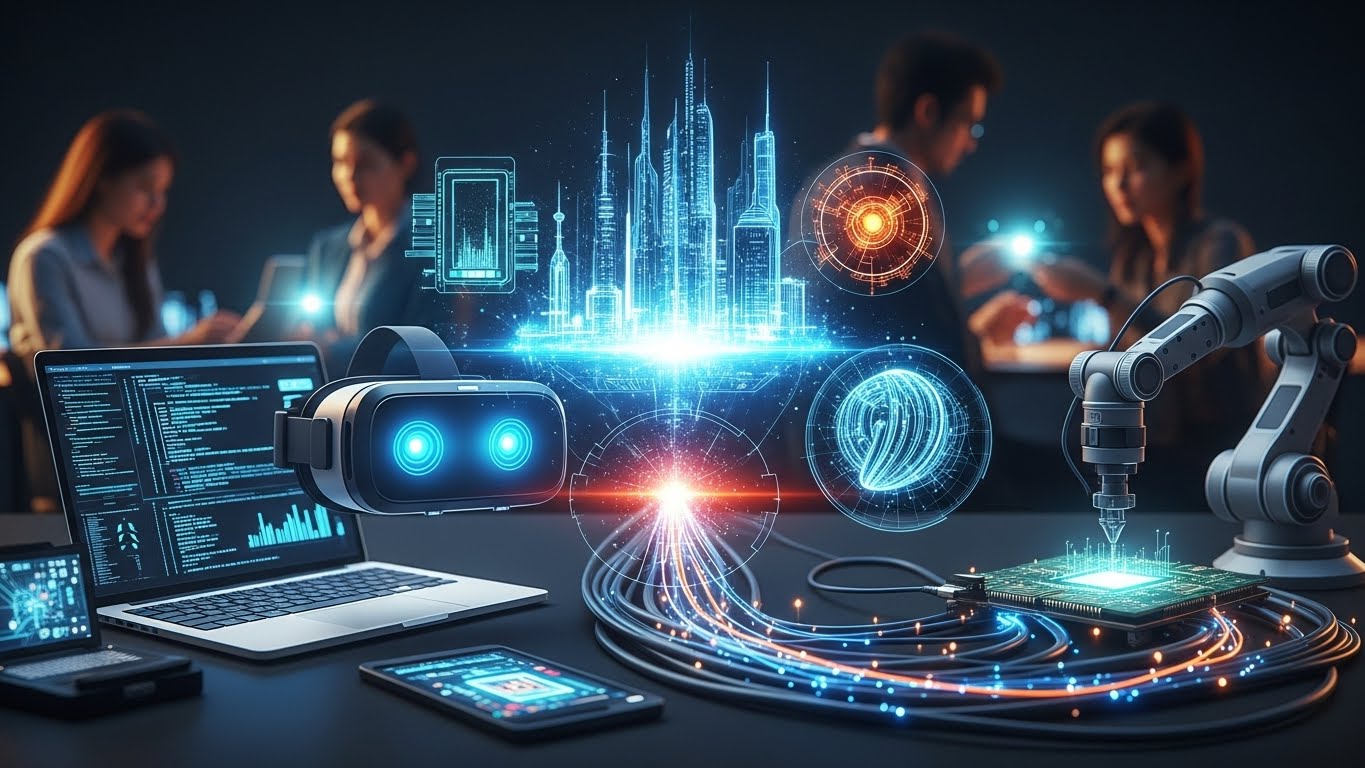
Technology has become an integral part of modern life, influencing how we communicate, work, learn, and entertain ourselves. From smartphones to artificial intelligence, innovations in technology are transforming society at an unprecedented pace. It shapes economies, cultures, and lifestyles, offering solutions that were unimaginable just a few decades ago.
The Evolution of Technology
Technology has a long history, beginning with simple tools and mechanical inventions. Over time, breakthroughs like the printing press, electricity, and the telephone revolutionized communication and daily life. The 20th century brought computers, the internet, and mobile devices, transforming how people access information and connect globally. Today, rapid advancements continue to reshape industries and human experiences.
Artificial Intelligence and Machine Learning
Artificial intelligence (AI) and machine learning are at the forefront of modern technological innovation. AI powers smart assistants, autonomous vehicles, and advanced data analytics, while machine learning enables systems to improve performance through experience. These technologies are revolutionizing healthcare, finance, education, and transportation, making processes more efficient, intelligent, and personalized.
Smart Devices and the Internet of Things
Smart devices and IoT (Internet of Things) technology have transformed daily living. Smartphones, wearables, smart homes, and connected appliances create convenience, efficiency, and real-time insights. These technologies allow people to manage tasks seamlessly, monitor their health, and interact with the environment in ways that were once science fiction.
Technology and Communication
Technology has revolutionized communication, shrinking the world through instant connectivity. Social media platforms, messaging apps, and video conferencing tools have made it easy to connect with people across continents. Businesses, schools, and communities rely on these tools for collaboration, information sharing, and social interaction, fostering global engagement and cultural exchange.
Challenges and Ethical Considerations
While technology offers numerous benefits, it also brings challenges. Data privacy, cybersecurity threats, digital addiction, and the impact of automation on jobs require careful attention. Ethical considerations in AI and biotechnology are increasingly important, highlighting the need to balance innovation with responsibility and human welfare.
The Future of Technology
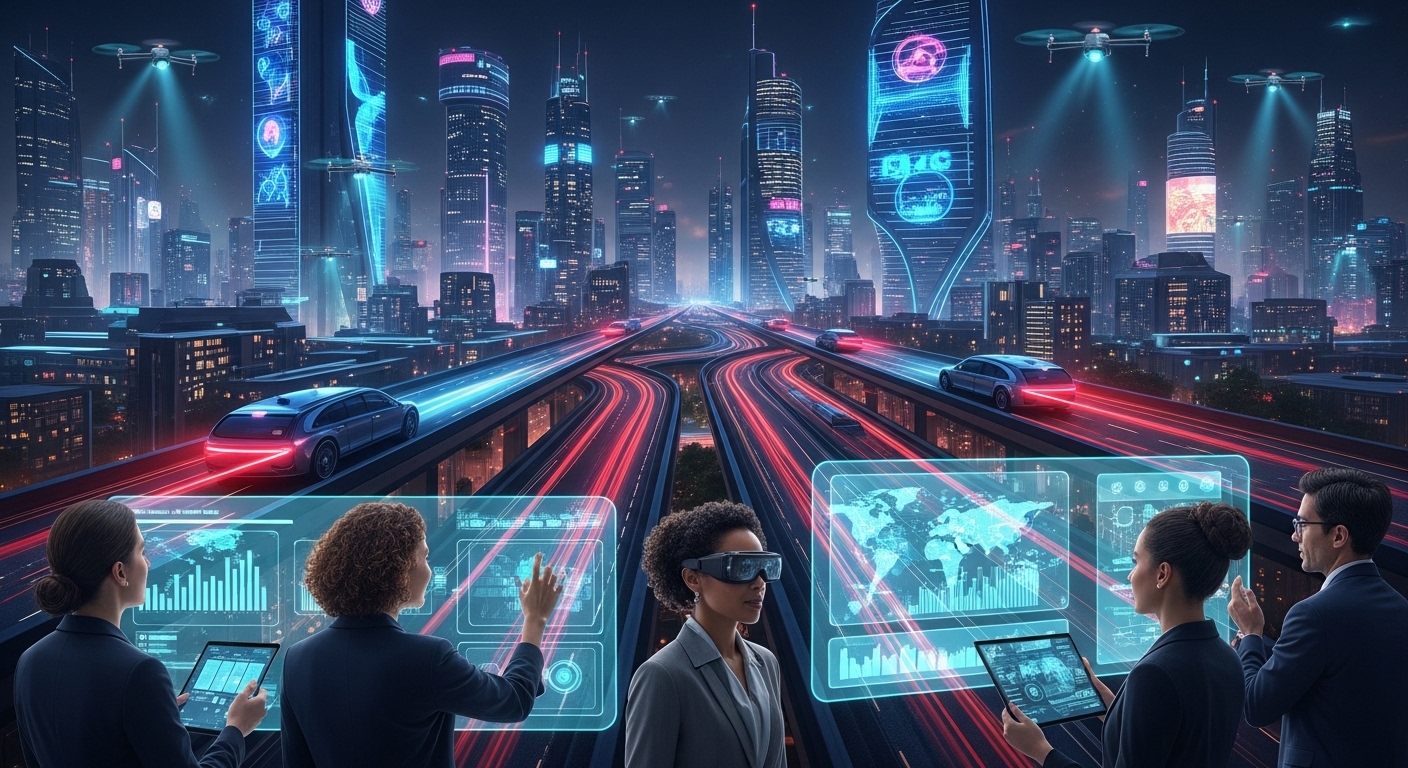
The future promises remarkable technological advancements. Emerging fields such as quantum computing, augmented and virtual reality, renewable energy innovations, and biotechnology are poised to redefine industries and lifestyles. These technologies will empower humans to solve complex problems, explore new frontiers, and enhance the quality of life globally.
Conclusion: Embracing Technology for a Better Future
Technology is more than just tools and devices; it is a catalyst for progress and human creativity. It shapes how we live, work, and interact with the world. By embracing innovation responsibly and ethically, society can harness technology’s full potential to create a more connected, efficient, and sustainable future.