
Introduction
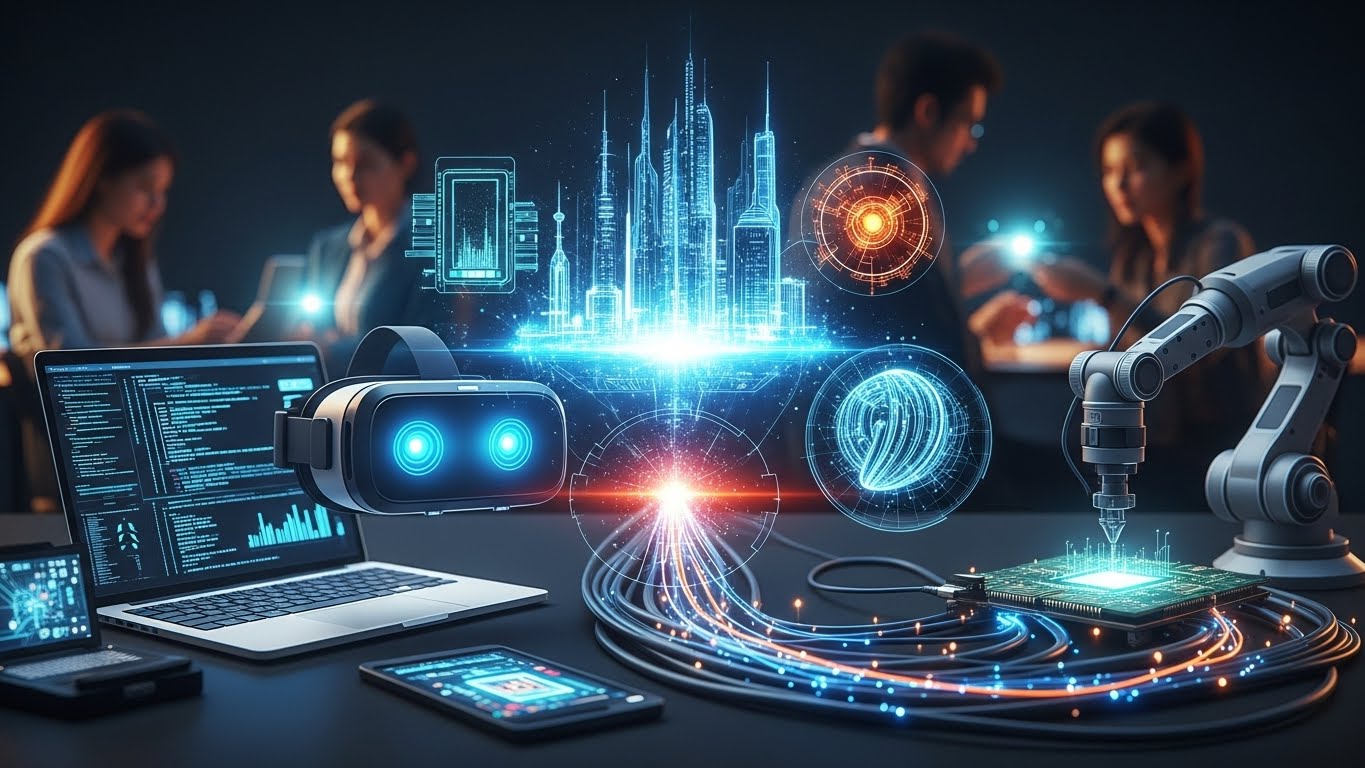
Technology has become the backbone of modern life, transforming the way we communicate, work, learn, and entertain ourselves. From the invention of the internet to artificial intelligence, technological advancements have reshaped society, driving progress across industries and daily life. The rapid pace of innovation continues to challenge traditional models and push the boundaries of what is possible. This blog explores the evolution of technology, its impact on society, emerging trends, and the ways it is shaping the future.
The Evolution of Technology
Technology has been evolving for centuries, from simple tools in the Stone Age to complex machines in the industrial era. The invention of the printing press revolutionized information dissemination, while electricity and the telephone transformed communication. The digital revolution brought computers, the internet, and mobile devices into everyday life, connecting people and businesses across the globe. Each phase of technological evolution has expanded human capability, enhanced productivity, and created new opportunities for innovation.
The Rise of Computing and the Internet
The development of computers and the internet has been central to the modern technological landscape. Early computers, though limited in processing power, paved the way for the information age. The internet connected billions of people, enabling instant communication, information sharing, and global commerce. Today, cloud computing, high-speed networks, and powerful processors allow for seamless digital experiences. The rise of computing and the internet has transformed industries such as education, healthcare, finance, and entertainment, creating a digitally interconnected world.
Mobile Technology and Its Impact
Mobile technology has revolutionized the way people interact with the world. Smartphones, tablets, and wearable devices provide instant access to information, social media, and services. Mobile applications enable convenient communication, banking, shopping, and gaming, all at the user’s fingertips. Mobile technology has also bridged the digital divide, giving access to remote areas and underserved populations. Its impact extends beyond convenience, reshaping business models, social interaction, and the way we consume content in our daily lives.
Artificial Intelligence and Machine Learning
Artificial intelligence (AI) and machine learning are at the forefront of technological innovation. AI enables machines to learn, analyze data, and make decisions, driving automation and efficiency across industries. From virtual assistants and recommendation engines to autonomous vehicles and predictive analytics, AI is transforming the way humans interact with technology. Machine learning allows systems to adapt and improve over time, making processes smarter and more personalized. The integration of AI into business, healthcare, education, and entertainment is shaping a future where intelligent systems augment human capabilities.
The Internet of Things (IoT)
The Internet of Things connects everyday objects to the internet, creating smart environments that improve efficiency, convenience, and safety. Smart homes, wearable fitness trackers, connected vehicles, and industrial sensors are examples of IoT applications. IoT devices collect and analyze data, enabling automation and predictive insights. In industries such as agriculture, healthcare, and logistics, IoT optimizes processes, reduces costs, and enhances decision-making. The expansion of IoT is creating a world where physical and digital systems interact seamlessly.
Cybersecurity and Data Protection
As technology advances, cybersecurity and data protection have become critical concerns. The proliferation of connected devices and digital services increases vulnerability to cyber threats, including hacking, identity theft, and data breaches. Organizations and individuals must implement robust security measures, including encryption, multi-factor authentication, and regular updates. Cybersecurity is not only about protection but also about trust, ensuring that users feel confident in the safety of their data. It is a growing field that intersects technology, law, and ethics, highlighting the importance of responsible innovation.
Blockchain and Digital Transactions
Blockchain technology is redefining trust, transparency, and efficiency in digital transactions. By creating decentralized, immutable records, blockchain allows secure peer-to-peer exchanges without intermediaries. Cryptocurrencies, smart contracts, and supply chain management are some of the applications transforming industries such as finance, logistics, and healthcare. Blockchain enhances transparency, reduces fraud, and enables new business models. As adoption grows, it has the potential to revolutionize the way value, information, and trust are managed in the digital economy.
Virtual Reality (VR) and Augmented Reality (AR)
VR and AR are changing the way people experience digital content. VR immerses users in fully simulated environments, while AR overlays digital elements onto the real world. These technologies are used in gaming, education, healthcare, and design, providing interactive and engaging experiences. VR and AR enable realistic simulations for training, collaboration, and exploration, making them valuable tools for both entertainment and practical applications. As hardware becomes more affordable and software more sophisticated, VR and AR are poised to become integral to daily digital interaction.
Automation and Robotics
Automation and robotics are transforming industries by enhancing efficiency, precision, and productivity. Manufacturing, logistics, healthcare, and agriculture increasingly rely on robotic systems for repetitive or complex tasks. Robotics reduces human error, increases safety, and allows employees to focus on higher-value activities. Advances in AI-powered robotics are enabling autonomous vehicles, surgical robots, and service robots, demonstrating the potential of machines to perform sophisticated tasks. Automation is reshaping the workforce, demanding new skills and creating opportunities for innovation.
Technology in Education
Technology has revolutionized education, making learning more accessible, interactive, and personalized. Online learning platforms, digital classrooms, and educational apps allow students to learn at their own pace and from anywhere. Gamification and interactive simulations enhance engagement, while AI-driven systems provide personalized recommendations and progress tracking. Technology enables collaboration across borders, connecting students and educators worldwide. It has transformed traditional education models, empowering learners and expanding opportunities for skill development.
The Environmental Impact of Technology
While technology drives progress, it also has environmental implications. Data centers, electronic devices, and production processes consume significant energy and resources. Sustainable technology practices, including energy-efficient hardware, renewable energy sources, and responsible e-waste management, are crucial for mitigating environmental impact. Innovation in green technology, such as smart grids, electric vehicles, and sustainable manufacturing, demonstrates how technology can both challenge and support environmental sustainability. Responsible development ensures that technological growth aligns with global ecological goals.
Social Media and Communication
Social media platforms have redefined communication, networking, and information sharing. They enable real-time interaction, content creation, and global connectivity. Social media influences culture, politics, and business, shaping opinions and trends. It also provides opportunities for marketing, community building, and entertainment. However, challenges such as misinformation, privacy concerns, and mental health impacts require careful management. Social media exemplifies how technology transforms not just tools but social structures and human interaction itself.
The Future of Technology
The future of technology promises even greater innovation, interconnectivity, and transformation. Emerging trends include quantum computing, AI-driven automation, advanced robotics, brain-computer interfaces, and space exploration technologies. These advancements will redefine industries, societal norms, and human potential. Ethical considerations, security, and inclusivity will be central to ensuring technology benefits humanity as a whole. The continuous evolution of technology will challenge existing paradigms while opening new frontiers for creativity, problem-solving, and global collaboration.
Conclusion
Technology has reshaped the world, influencing how people live, work, and interact. From computing and the internet to AI, IoT, and immersive experiences, technology drives progress, connectivity, and innovation. It has transformed industries, education, communication, and entertainment, providing opportunities for growth and development. While challenges such as cybersecurity, privacy, and environmental impact remain, the responsible and innovative application of technology promises a future of limitless potential. As humanity continues to push technological boundaries, the way we experience the world will continue to evolve, reflecting our creativity, ambition, and vision for the future.