Introduction: Technology as a Catalyst for Change
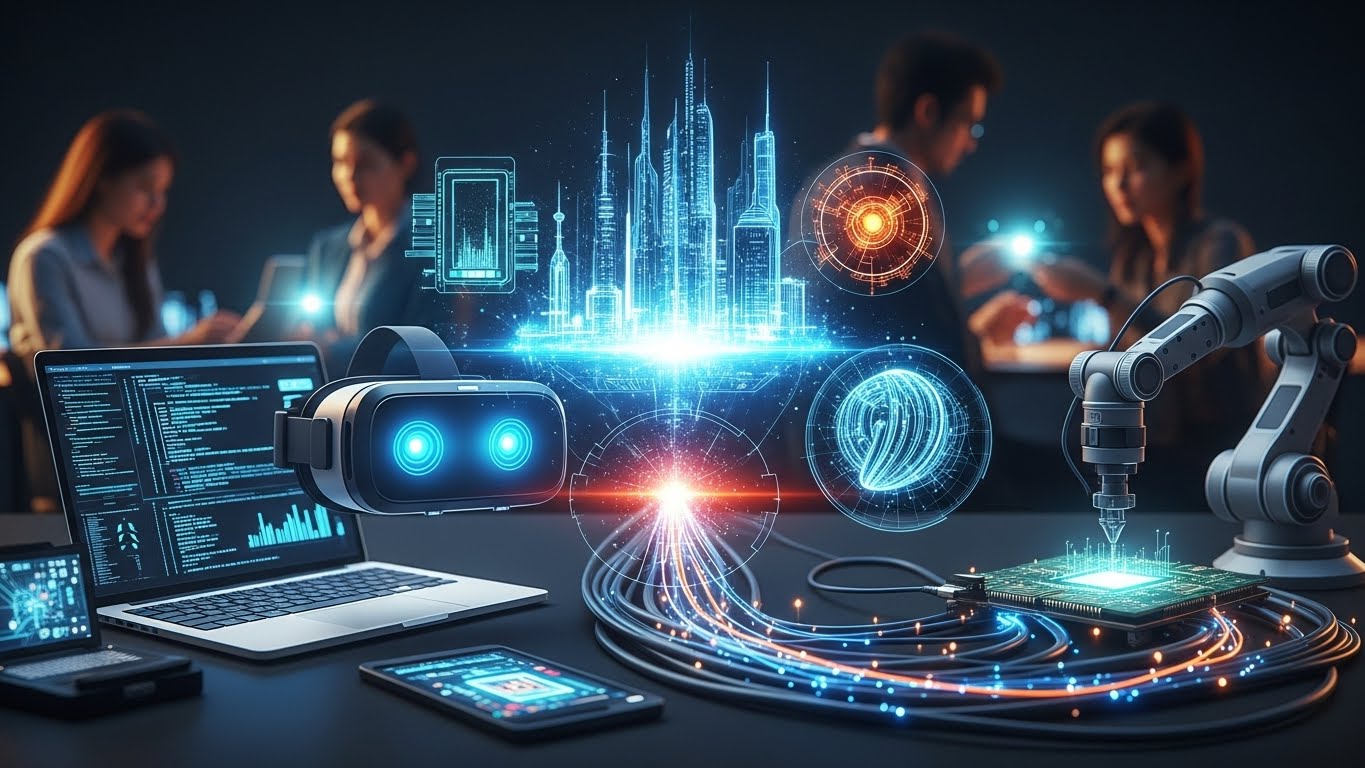
Technology has become the lifeblood of modern civilization. It affects almost every aspect of daily life, from communication and healthcare to education and entertainment. What once took hours or days can now be accomplished in mere seconds, thanks to technological innovation. The rapid pace of progress continues to reshape societies, economies, and individual lives, creating opportunities and challenges alike. This blog explores the evolution of technology, its impact on human life, and the exciting possibilities that lie ahead.
The Evolution of Technology
Humanity’s journey with technology began with simple tools, fire, and basic agriculture. These early innovations allowed humans to survive, thrive, and explore their environment. The invention of the wheel, the printing press, and electricity marked turning points in history, each expanding human capability and shaping society.
The Industrial Revolution in the 18th and 19th centuries accelerated technological development with mechanized manufacturing, railways, and telecommunication systems. The 20th century introduced computers, the internet, and mobile technology, ushering in the digital age. Today, advances in artificial intelligence, biotechnology, and robotics continue to redefine the boundaries of what is possible.
Technology in Communication
Communication has been fundamentally transformed by technology. Letters and landline phones, once the primary means of communication, have largely been replaced by email, instant messaging, video calls, and social media. These tools allow people to connect instantly, regardless of geography.
Global connectivity has transformed personal relationships, business collaboration, and community interaction. Families stay in touch across continents, teams work together from remote locations, and ideas are shared worldwide within seconds. While technology enables instant communication, it also introduces challenges such as information overload, reduced face-to-face interaction, and privacy concerns.
Technology in Education
Education has experienced a dramatic transformation due to technology. Digital classrooms, online courses, and educational software allow students to learn anywhere, anytime. Teachers leverage technology to create interactive lessons, simulations, and virtual laboratories that engage students more effectively than traditional methods.
Artificial intelligence and adaptive learning systems analyze student performance and provide personalized feedback, enabling learners to progress at their own pace. Virtual reality and augmented reality immerse students in experiential learning, making complex concepts easier to understand. Technology has democratized access to knowledge, but ensuring equal access to devices and high-speed internet remains an ongoing challenge.
Technology in Business and Industry
The business world has been revolutionized by technology. Automation, cloud computing, and data analytics have optimized operations, improved efficiency, and enhanced decision-making. Companies can now reach global markets through e-commerce, digital marketing, and online customer engagement.
New industries have emerged as a result of technological innovation. Fields such as app development, cybersecurity, fintech, and digital marketing would not exist without modern technology. Businesses must continuously adapt to new tools and platforms to remain competitive, emphasizing the importance of innovation, creativity, and agility in the modern economy.
Artificial Intelligence: Transforming Possibilities
Artificial intelligence (AI) represents one of the most significant advancements of the digital age. AI enables machines to mimic human cognition, analyze data, make decisions, and perform tasks autonomously. Its applications span multiple sectors, including healthcare, finance, transportation, and manufacturing.
In healthcare, AI assists in diagnosing diseases, analyzing medical images, and personalizing treatment plans. Self-driving vehicles, powered by AI, are redefining transportation safety and efficiency. Businesses use AI for predictive analytics, customer service automation, and process optimization. Despite its potential, AI introduces ethical dilemmas, such as job displacement, data privacy concerns, and algorithmic bias, which society must address responsibly.
The Internet of Things: Connecting Our World
The Internet of Things (IoT) refers to a network of connected devices that communicate and share data over the internet. Smart homes, wearable fitness trackers, industrial sensors, and connected vehicles exemplify how IoT enhances convenience, efficiency, and productivity.
IoT technology allows users to monitor health metrics, control home appliances remotely, and track energy consumption. Industries benefit from predictive maintenance, supply chain optimization, and real-time data analytics. However, the expansion of IoT also raises concerns about cybersecurity, data privacy, and ethical usage, making secure implementation a critical priority.
Technology in Healthcare
Healthcare has been transformed by technological innovation. Robotic-assisted surgeries, telemedicine, wearable monitoring devices, and AI-driven diagnostics have improved patient outcomes and accessibility.
Telemedicine allows patients in remote areas to consult doctors virtually, reducing the need for travel and expanding access to care. AI algorithms assist in early disease detection, drug development, and personalized treatment plans. Wearable devices track vital signs, physical activity, and sleep patterns, empowering individuals to manage their health proactively. Technology has made healthcare faster, more accurate, and more patient-centered than ever before.
Cybersecurity: Protecting the Digital Landscape
As technology advances, cybersecurity has become essential. Increasing reliance on digital systems exposes individuals, businesses, and governments to threats such as data breaches, malware, and identity theft.
Protecting digital infrastructure involves encryption, multi-factor authentication, threat detection, and continuous monitoring. Cybersecurity awareness is also crucial; users must practice safe online habits to protect sensitive information. Robust cybersecurity ensures that technology remains reliable, secure, and trustworthy in an increasingly connected world.
Technology and Environmental Sustainability
Technology has a dual relationship with the environment. While electronic waste and industrial processes pose ecological challenges, technology also provides solutions for sustainability. Renewable energy systems, smart grids, electric vehicles, and precision agriculture contribute to resource conservation and reduced carbon footprints.
Environmental monitoring tools and data analytics enable scientists and policymakers to track climate change, predict natural disasters, and implement mitigation strategies. By leveraging technology responsibly, humanity can address environmental issues and create a sustainable future.
Technology in Daily Life
Technology has seamlessly integrated into everyday life. Smartphones, smart home devices, navigation apps, online banking, and streaming platforms have become indispensable tools for convenience and productivity.
While technology simplifies many aspects of life, overreliance can lead to challenges such as digital addiction, reduced attention spans, and diminished interpersonal communication. Practicing mindful technology use ensures that these tools enhance daily life rather than control it.
The Future of Technology
The future of technology is both exciting and unpredictable. Emerging fields like quantum computing, augmented and virtual reality, biotechnology, and advanced robotics will redefine how humans interact with the world.
Automation and AI will continue to transform workplaces, education, and healthcare, while sustainable technologies will address pressing environmental challenges. Ethical considerations, inclusivity, and responsible innovation will be crucial in guiding the evolution of technology to benefit humanity as a whole.
Ethics and Responsibility in Technology
With great technological power comes great responsibility. Ethical concerns such as data privacy, algorithmic bias, surveillance, and automation must be carefully managed to ensure technology serves humanity equitably.
Education, regulation, and public awareness are essential. Developers, policymakers, and users must collaborate to create technology that is safe, fair, and beneficial. Responsible innovation ensures that technology enhances lives without creating harm or inequality.
Technology as a Catalyst for Human Progress
Technology amplifies human creativity, intelligence, and collaboration. It allows us to solve complex problems, connect across borders, and explore previously unimaginable possibilities. From space exploration to global communication networks, technology expands the frontiers of human capability.
When harnessed responsibly, technology serves as a powerful catalyst for social progress, economic growth, and environmental sustainability. It empowers individuals, communities, and nations to achieve more than ever before.
Conclusion: Embracing the Technological Future
Technology has transformed the way we live, work, and interact. It enables instant communication, personalized education, innovative healthcare, efficient business practices, and global connectivity. Yet, it also presents challenges, including ethical dilemmas, privacy concerns, and environmental impacts.
The key to the future lies in balancing innovation with responsibility. By embracing technology thoughtfully and ethically, humanity can harness its potential to solve problems, improve quality of life, and create a sustainable and equitable world. Technology is not just a tool; it is a partner in shaping the future of human civilization.