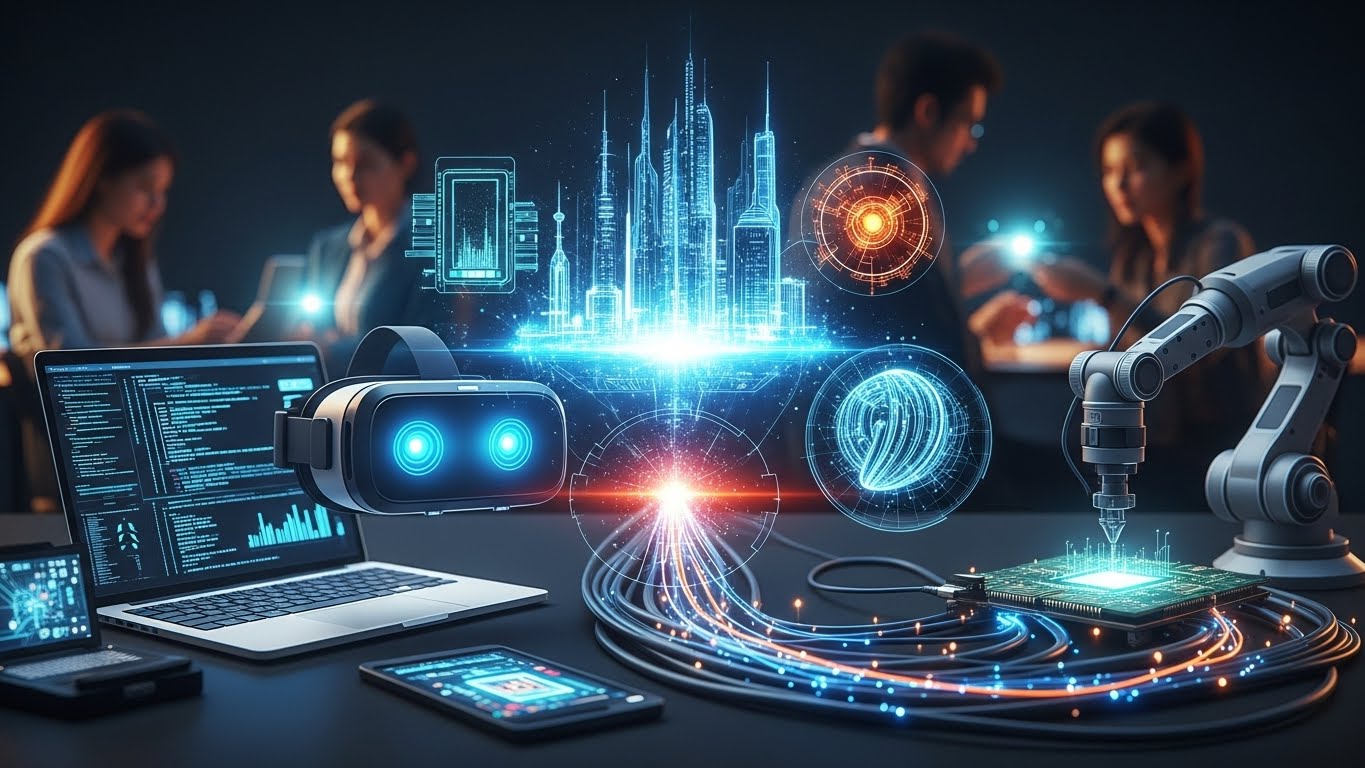

Introduction: Technology as a Driving Force
In the 21st century, technology has become an integral part of everyday life. It is no longer just a set of tools or gadgets; it is the foundation of how we communicate, learn, work, and entertain ourselves. The rapid pace of technological advancement is reshaping industries, economies, and societies. From artificial intelligence to cloud computing, technology is driving change on a scale unprecedented in human history. This blog explores the key areas where technology is transforming life and the potential it holds for the future.
The Evolution of Technology
Technology has always been a catalyst for human progress. Early innovations, such as the wheel, printing press, and electricity, changed the course of civilization. In the modern era, the invention of computers, the internet, and mobile devices brought about the digital revolution. Each technological leap has enhanced productivity, accessibility, and connectivity. Today, we live in a world where information flows instantly across continents, artificial intelligence can solve complex problems, and machines can assist in almost every aspect of life.
Artificial Intelligence and Machine Learning
Artificial intelligence (AI) is one of the most transformative technologies of our time. AI systems can analyze vast amounts of data, recognize patterns, and make decisions more efficiently than humans. Machine learning, a subset of AI, allows systems to learn and improve over time without explicit programming. AI is being applied in industries such as healthcare for diagnostics, finance for fraud detection, and transportation for autonomous vehicles. The potential for AI to enhance productivity and innovation is immense, but it also raises ethical questions about privacy, employment, and decision-making.
Cloud Computing and Digital Accessibility
Cloud computing has changed the way businesses and individuals access technology. It allows users to store data, run applications, and collaborate over the internet without relying on physical infrastructure. Companies can scale operations efficiently, and individuals can access files and software from anywhere in the world. Cloud computing has also accelerated digital transformation, enabling businesses to innovate faster and reach global markets. Its impact is visible in remote work, online education, and collaborative platforms that define modern life.
The Internet of Things: A Connected World
The Internet of Things (IoT) connects everyday devices to the internet, enabling them to communicate and interact. Smart homes, wearable health trackers, and industrial sensors collect data to improve efficiency and decision-making. IoT devices monitor energy usage, track health metrics, and automate routine tasks, making life more convenient and sustainable. As IoT continues to grow, it is transforming not only individual lifestyles but also cities, transportation systems, and industrial processes, creating a seamlessly connected world.
Robotics and Automation
Robotics and automation are reshaping industries and workplaces. Robots perform tasks ranging from manufacturing and logistics to surgery and space exploration. Automation enhances productivity, precision, and efficiency while reducing human error. Advanced robotics integrated with AI enables autonomous vehicles, drone deliveries, and intelligent factories. While automation may shift certain job roles, it also opens opportunities for high-skilled employment in programming, maintenance, and system management, creating a new landscape of professional growth.
Blockchain and Digital Security
Blockchain technology provides secure, decentralized methods of recording transactions and data. It is widely known for cryptocurrencies, but its applications extend to supply chain management, digital identity verification, and smart contracts. Blockchain enhances transparency, reduces fraud, and increases trust in digital systems. In a world increasingly reliant on online transactions and data sharing, blockchain is a key innovation for ensuring security, efficiency, and accountability in digital operations.
Technology in Healthcare
Healthcare has benefited immensely from technological innovation. Telemedicine enables remote consultations, improving accessibility for patients worldwide. Wearable devices monitor vital signs and detect early symptoms of diseases. AI-powered diagnostic tools assist doctors in identifying conditions faster and more accurately. Robotics facilitates minimally invasive surgery, improving precision and reducing recovery times. Technology not only improves patient care but also optimizes healthcare systems, reducing costs and increasing efficiency.
Transforming Education
Education is undergoing a technological revolution. Online learning platforms, virtual classrooms, and interactive educational tools have made knowledge accessible globally. Students can learn at their own pace, engage in virtual labs, and collaborate with peers across borders. Artificial intelligence personalizes learning experiences by analyzing individual progress and adapting content accordingly. Technology is equipping students with critical digital skills and preparing them for careers in an increasingly tech-driven world.
Cybersecurity and Data Protection
As technology becomes more integrated into our lives, cybersecurity is more important than ever. Data breaches, cyberattacks, and digital espionage threaten individuals, businesses, and governments. Robust security measures, including encryption, multi-factor authentication, and AI-driven threat detection, are essential for protecting sensitive information. Awareness of digital risks and responsible online behavior are equally critical. Cybersecurity is not just a technical requirement but a cornerstone of trust in a connected society.
Social Media and Digital Interaction
Technology has transformed social interaction through social media and digital communication platforms. People can connect instantly across the globe, share ideas, and build communities. Social media influences culture, politics, and business, creating opportunities for networking and entrepreneurship. However, it also presents challenges, including misinformation, privacy concerns, and mental health impacts. Balancing the benefits and risks of digital interaction is essential for a healthy, connected society.
Environmental Implications of Technology
While technology drives progress, it also affects the environment. Data centers, electronic waste, and energy-intensive devices contribute to environmental challenges. However, technology also provides solutions, such as smart energy grids, climate monitoring systems, and renewable energy innovations. Sustainable practices, like energy-efficient devices and responsible e-waste recycling, are vital for ensuring that technological advancement aligns with ecological preservation. Technology must be leveraged responsibly to balance innovation with environmental stewardship.
Emerging Technologies and Future Trends
Emerging technologies are pushing the boundaries of possibility. Quantum computing promises unprecedented computational power for solving complex problems. Augmented and virtual reality are creating immersive experiences in education, entertainment, and industry. Biotechnology and nanotechnology are revolutionizing medicine, agriculture, and materials science. The integration of these technologies into society will transform how humans live, work, and interact, creating opportunities that were once unimaginable.
Ethical Considerations and Responsible Innovation
As technology advances, ethical considerations become increasingly important. Issues such as privacy, bias in AI, automation-related unemployment, and digital equity require careful attention. Responsible innovation involves designing technology that aligns with societal values, promotes fairness, and minimizes harm. Policymakers, companies, and individuals must collaborate to ensure that technology serves humanity and enhances overall well-being rather than exacerbating inequalities.
Conclusion: Embracing a Technological Future
Technology is no longer a distant concept; it is an inseparable part of modern life. From artificial intelligence and robotics to blockchain and IoT, technological innovations are transforming how we live, work, and communicate. While challenges like cybersecurity, ethical dilemmas, and environmental impact exist, the potential benefits are transformative. By embracing technology responsibly, society can unlock opportunities for growth, connectivity, and improved quality of life. The future is being shaped today, and understanding technology is key to navigating a world full of possibilities.