Introduction: Technology as the Backbone of Progress
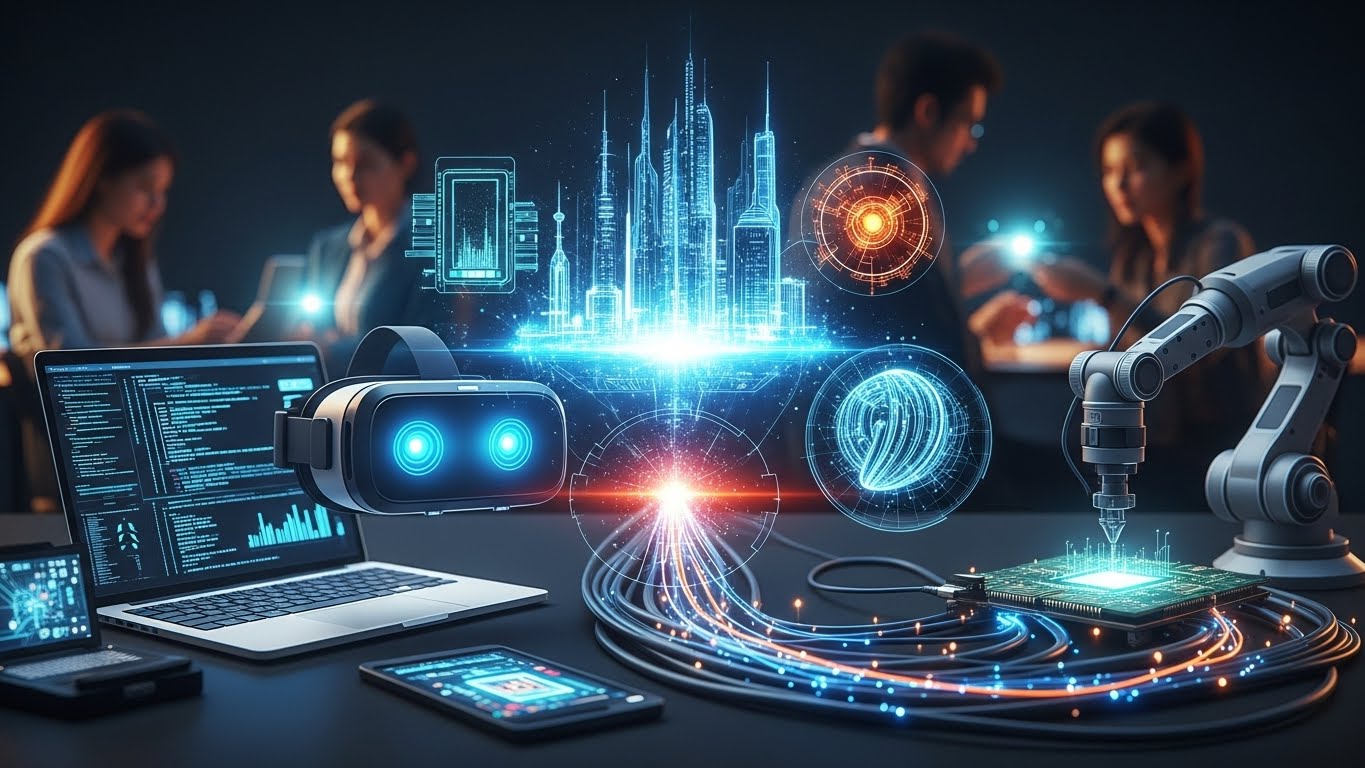
Technology has become the backbone of modern society. From the way we communicate to the way we work, learn, and entertain ourselves, technology permeates nearly every aspect of daily life. It has transformed our world from analog to digital, giving rise to opportunities that were unimaginable just a few decades ago. Today, technology is not just a tool; it is a driving force that shapes human experience, innovation, and progress.
The evolution of technology has been rapid and relentless. Early inventions such as the telephone, the radio, and the television laid the groundwork for the interconnected digital era we live in today. With the advent of computers, the internet, and smartphones, technology began to influence every sphere of life, transforming how we access information, connect with others, and conduct business.
Artificial Intelligence: Redefining Possibilities
Artificial intelligence, or AI, is one of the most transformative technologies of the modern era. AI refers to machines and systems that can perform tasks that traditionally required human intelligence, such as problem-solving, learning, and decision-making. AI applications are already reshaping industries across the globe.
In healthcare, AI is being used to analyze medical data, detect diseases earlier, and even assist in surgeries. AI-powered diagnostic tools can identify patterns that may go unnoticed by humans, improving accuracy and efficiency in treatment. In business, AI algorithms analyze vast amounts of data to provide insights into consumer behavior, optimize supply chains, and streamline operations. Personal assistants, chatbots, and recommendation systems also leverage AI to create personalized experiences for users, making everyday interactions more convenient and efficient.
The potential of AI is not limited to practical applications; it is also a creative force. AI can generate art, compose music, and even write content, opening new possibilities in entertainment, education, and design. While ethical considerations remain a critical aspect of AI development, its ability to enhance productivity, creativity, and decision-making cannot be overstated.
The Internet of Things: Connecting the World
The Internet of Things, or IoT, represents a new era of connectivity. IoT refers to a network of devices that communicate with each other through the internet, from smart home appliances to wearable technology. This interconnected ecosystem enables devices to collect, share, and analyze data, creating seamless and intelligent experiences.
Smart homes, for instance, can adjust lighting, temperature, and security settings automatically based on user preferences. Wearable devices monitor health metrics such as heart rate, sleep patterns, and physical activity, providing personalized insights to improve well-being. In industry, IoT is used to monitor machinery, reduce energy consumption, and optimize production processes. The ability to collect real-time data and make informed decisions is revolutionizing both personal life and professional operations.
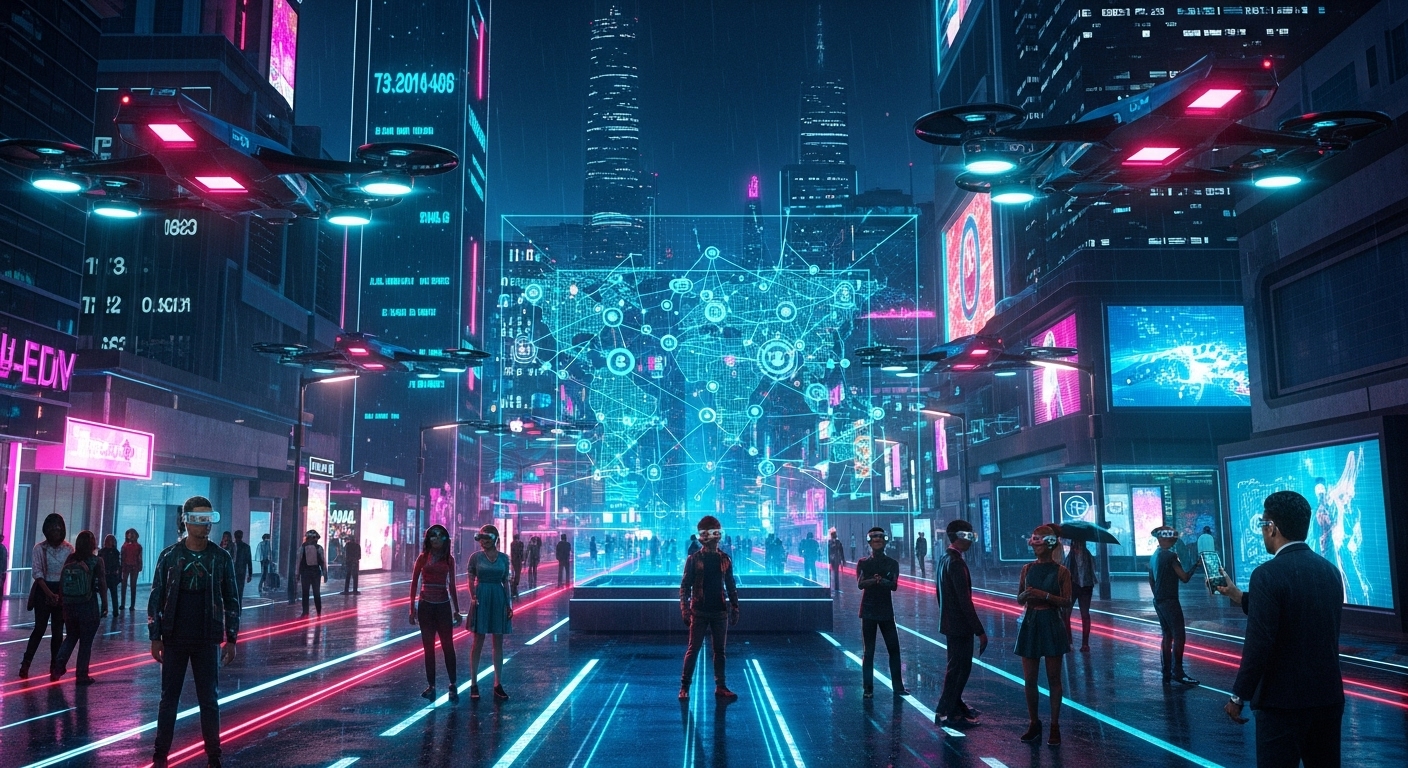
The growth of IoT has also fueled the development of smart cities. Urban infrastructure equipped with sensors and connected devices enables efficient traffic management, energy optimization, and enhanced public safety. As more devices become connected, IoT will continue to play a critical role in shaping the way we live, work, and interact with the environment.
Cloud Computing: Powering Innovation and Flexibility
Cloud computing has transformed the way data is stored, accessed, and managed. Instead of relying solely on physical hardware, cloud technology allows individuals and businesses to store vast amounts of data on remote servers and access it from anywhere in the world. This shift has made computing more flexible, scalable, and cost-effective.
Organizations can now deploy applications without investing heavily in infrastructure. Collaboration has become seamless, as teams can work together in real time regardless of location. Cloud computing also enables startups and small businesses to access the same computing power as large corporations, leveling the playing field and driving innovation.
The cloud has also fueled advancements in other technologies. Big data analytics, artificial intelligence, and machine learning rely heavily on cloud infrastructure to process and analyze enormous datasets. The combination of cloud computing and AI has created new opportunities for innovation in sectors ranging from finance to healthcare, education to entertainment.
Cybersecurity: Protecting the Digital World
As technology advances, the importance of cybersecurity grows exponentially. Cyber threats, data breaches, and hacking attempts have become increasingly sophisticated, posing significant risks to individuals, businesses, and governments. Protecting digital assets is now a critical aspect of technological development and adoption.
Modern cybersecurity employs advanced encryption, multi-factor authentication, and AI-powered threat detection systems to safeguard data and systems. Organizations invest heavily in cybersecurity training, policies, and infrastructure to mitigate risks and protect sensitive information. Individuals are also encouraged to practice safe online habits, such as using strong passwords, updating software regularly, and avoiding suspicious links or downloads.
Cybersecurity is not just a technical concern; it is also an ethical one. With the proliferation of personal data online, companies and governments must handle information responsibly. Trust and accountability are crucial in the digital era, and robust cybersecurity measures ensure that technology remains safe, reliable, and beneficial.
5G Technology: Accelerating Connectivity
The rollout of 5G networks is set to redefine communication and connectivity. Compared to previous generations, 5G offers significantly faster speeds, lower latency, and greater reliability. This technology is more than just an upgrade for smartphones; it is the backbone for innovations in smart cities, autonomous vehicles, telemedicine, and the Internet of Things.
High-speed 5G networks enable real-time data transfer and instantaneous communication, supporting applications that were previously impractical or impossible. Augmented reality, virtual reality, and cloud gaming benefit from this technology, providing users with immersive and responsive experiences. 5G is poised to accelerate technological adoption across multiple sectors, enabling new forms of digital interaction and innovation.
Sustainable Technology: Innovation with Responsibility
Modern technology is increasingly focused on sustainability. Renewable energy systems, electric vehicles, and energy-efficient devices are becoming central to efforts to reduce environmental impact. Smart grids, AI-driven energy management, and sustainable manufacturing processes optimize resource consumption and minimize waste.
Technology also plays a role in addressing climate change. Data analytics, satellite monitoring, and predictive modeling help governments and organizations make informed decisions about environmental policies. Innovative materials and green technologies are shaping industries in ways that prioritize both performance and sustainability. The intersection of technology and environmental responsibility demonstrates that progress and preservation can go hand in hand.
The Role of Virtual and Augmented Reality
Virtual reality (VR) and augmented reality (AR) have transformed entertainment, education, and professional applications. VR creates fully immersive digital environments that allow users to explore, interact, and experience simulations as if they were real. AR overlays digital elements onto the real world, enhancing our perception and interaction with physical spaces.
In education, VR enables students to participate in realistic simulations, from virtual science labs to historical reenactments. In healthcare, AR assists surgeons with precise visual guidance during complex procedures. In gaming and entertainment, these technologies create captivating experiences that engage all the senses. VR and AR demonstrate the power of technology to expand human perception and transform experiences across industries.
Artificial Intelligence and Automation in the Workplace
AI and automation are reshaping the modern workplace. Routine tasks are increasingly performed by intelligent systems, freeing humans to focus on creative, strategic, and interpersonal work. AI-powered analytics help businesses make informed decisions, optimize operations, and enhance customer experiences.
Automation extends to manufacturing, logistics, and even administrative tasks. Robots and AI systems perform repetitive or dangerous tasks with precision and efficiency, improving safety and productivity. While automation raises questions about workforce displacement, it also creates opportunities for upskilling, innovation, and new career paths. The key lies in integrating technology in ways that complement human skills and capabilities.
The Future of Technology: Boundless Potential
The future of technology promises unprecedented possibilities. Quantum computing, AI-driven innovation, immersive virtual worlds, and global connectivity are just the beginning. These advancements will redefine industries, reshape education, enhance healthcare, and transform social interaction. Ethical considerations, sustainability, and responsible innovation will be essential in guiding the trajectory of technological progress.
As technology continues to evolve, human imagination and creativity will remain central to its development. The challenge will be to harness the power of innovation in ways that enhance quality of life, create opportunities, and address global challenges. Technology has the potential to shape a world where progress and responsibility coexist harmoniously.
Conclusion: Embracing a Tech-Driven World
Technology is no longer a tool—it is a cornerstone of modern civilization. It influences how we communicate, learn, work, and entertain ourselves. Artificial intelligence, IoT, cloud computing, 5G, and sustainable innovations are just a few examples of how technology is transforming the world around us.
The integration of these technologies offers limitless potential for creativity, productivity, and human connection. By embracing innovation responsibly, society can leverage technology to solve problems, explore new frontiers, and build a future that balances advancement with ethical responsibility. Technology is more than progress—it is the force shaping the possibilities of tomorrow.