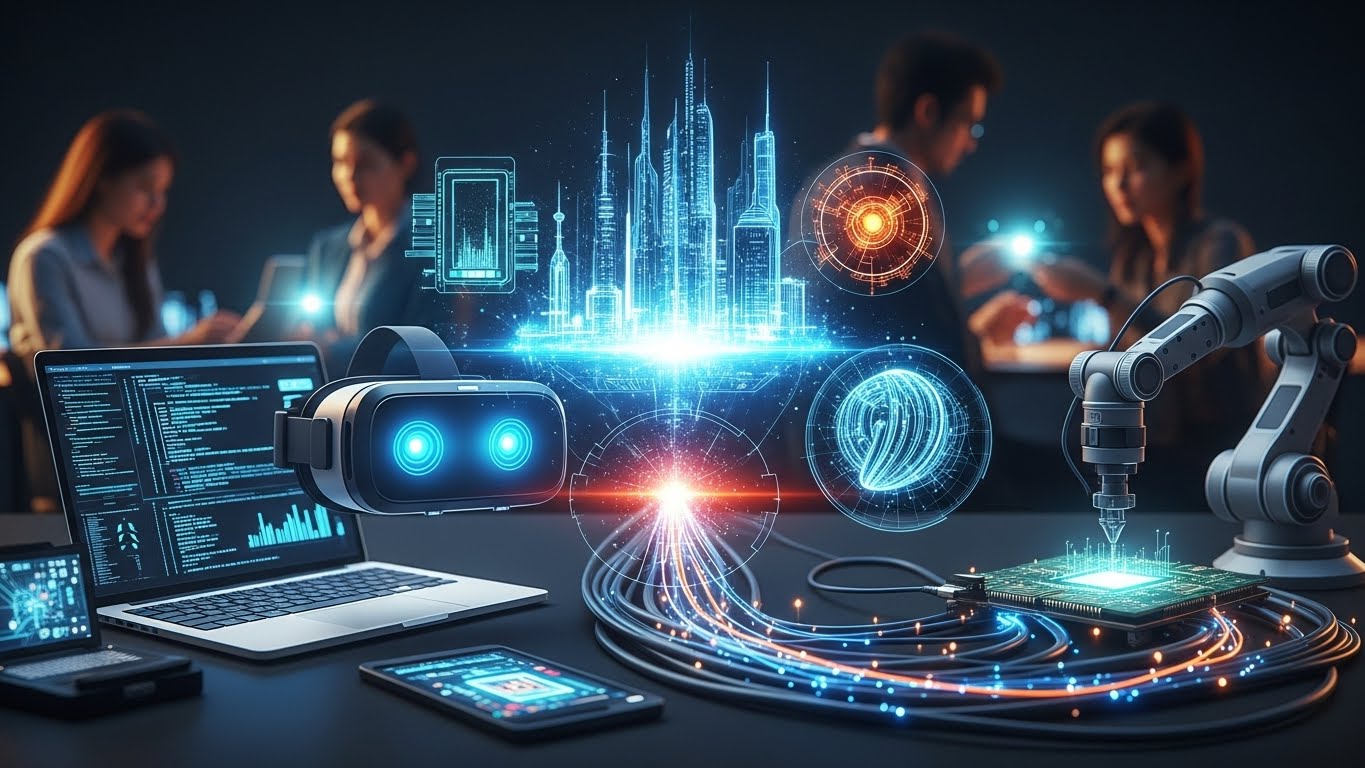

The rapid pace of technological advancement is transforming the way we live, work, and interact with the world around us. Innovations that were once considered futuristic are now becoming everyday realities. As we stand at the intersection of technology and society, it’s clear that the next wave of digital transformation will fundamentally reshape our future. In this post, we’ll explore how emerging technologies like artificial intelligence, blockchain, and automation are driving this change and what it means for the years ahead.
Artificial Intelligence: The Brain of Tomorrow
Artificial intelligence (AI) is no longer just a theoretical concept; it’s the engine driving many of the innovations shaping our future. With machine learning algorithms becoming more advanced, AI is now able to perform tasks that require cognitive abilities, such as understanding language, recognizing images, and even making decisions. AI is already playing a critical role in fields like healthcare, where it helps in early disease detection and personalized medicine. In business, AI-powered analytics allow companies to predict trends and optimize operations. As the technology continues to evolve, we can expect AI to become more integrated into everyday life, from smarter personal assistants to fully autonomous vehicles.
Blockchain: Revolutionizing Trust and Security
Blockchain, initially popularized by cryptocurrencies like Bitcoin, is quickly proving its value in a wide range of industries. At its core, blockchain offers a decentralized and secure way of storing data, ensuring that transactions or records cannot be tampered with. This makes it ideal for applications beyond digital currencies, such as supply chain management, where transparency and accountability are essential. Blockchain is also being explored for its potential to create secure, tamper-proof voting systems, safeguarding elections from fraud. As blockchain technology matures, it will likely play an increasingly important role in building trust and security across various sectors.
The Rise of Smart Cities: Technology for Urban Living
The cities of tomorrow are becoming smarter, thanks to the Internet of Things (IoT). By connecting everyday objects to the internet, cities are able to monitor and optimize everything from traffic flow to energy consumption. Smart cities use data to improve the quality of life for their residents by making urban environments more efficient, sustainable, and safe. For example, IoT sensors can monitor air quality, alerting city officials to pollution levels in real time. Smart grids can reduce energy waste by dynamically adjusting electricity distribution based on demand. As more cities adopt these technologies, the future will see increasingly interconnected urban landscapes that function more efficiently and are better equipped to handle the challenges of rapid urbanization.
Autonomous Vehicles: The Road Ahead
Self-driving cars have been a long-standing dream of the tech industry, but they are now becoming a reality. Autonomous vehicles use a combination of sensors, AI, and data to navigate the roads without human intervention. This technology promises to revolutionize transportation, making it safer, more efficient, and accessible. Traffic accidents caused by human error could be significantly reduced, while traffic flow could be optimized for better congestion management. Autonomous vehicles also offer the potential for new business models, such as ride-sharing services that require no drivers. While there are still challenges to overcome, such as regulatory issues and public trust, the widespread adoption of autonomous vehicles could reshape urban transportation within the next decade.
Robotics and Automation: Transforming Work and Industry
Robots and automation are quickly becoming an integral part of industries worldwide. From manufacturing to healthcare, robots are performing tasks that are either too dangerous, repetitive, or require precision beyond human capabilities. In factories, industrial robots are already working alongside human workers to improve production efficiency and reduce the likelihood of errors. In healthcare, robotic surgery systems allow for minimally invasive procedures with greater accuracy, leading to faster recovery times. However, the rise of automation also raises questions about the future of jobs. While some jobs may be replaced by machines, new opportunities will emerge in fields like robotics maintenance, AI programming, and data analysis. The challenge will be ensuring that the workforce is equipped with the skills needed to thrive in this changing landscape.
The Cloud: Enabling Seamless Connectivity
Cloud computing has been one of the most transformative technologies of the past decade, enabling businesses and individuals to store and access data and applications online rather than relying on physical servers. The cloud offers flexibility, scalability, and cost-efficiency, allowing companies to scale their operations without heavy upfront investments in infrastructure. For consumers, cloud services enable access to everything from music and movies to personal documents from any device with an internet connection. As more businesses migrate to the cloud, technologies like edge computing and hybrid cloud systems are also emerging, ensuring faster data processing and better security.
Data Privacy and Cybersecurity: Protecting What Matters
As technology continues to advance, so too do the risks associated with it. With more data being generated than ever before, concerns about privacy and security are growing. Cyberattacks are becoming increasingly sophisticated, targeting everything from personal devices to critical infrastructure. At the same time, the rise of surveillance technologies, both in the public and private sectors, has raised questions about personal freedom and the ethical use of data. As we move into a more interconnected world, cybersecurity and data privacy will become even more critical. New technologies, like advanced encryption and blockchain-based security systems, are being developed to address these concerns, but it will require constant vigilance and innovation to stay ahead of evolving threats.
The Metaverse: A New Virtual Reality
The concept of the metaverse, a fully immersive virtual world where people can interact, socialize, and conduct business, is becoming more than just a science fiction idea. With the advancement of virtual reality (VR) and augmented reality (AR), the metaverse is starting to take shape. Companies like Meta (formerly Facebook) are investing heavily in creating platforms that will allow users to engage in virtual spaces that simulate real-life experiences. In the metaverse, users can attend concerts, buy virtual goods, work in digital offices, and even travel to distant places—all without leaving their homes. While still in its early stages, the metaverse has the potential to revolutionize social interaction, entertainment, and work.
Conclusion: The Road to Tomorrow
Emerging technologies are reshaping the world at an unprecedented rate, opening new opportunities while presenting fresh challenges. From AI and blockchain to smart cities and autonomous vehicles, these innovations are paving the way for a future that is more connected, efficient, and sustainable. However, as we embrace these advancements, it’s essential to address the ethical, privacy, and employment concerns that accompany them. The next decade will be a defining period in the history of technology, and how we navigate these changes will determine the trajectory of our digital future. The key to success will lie in harnessing the power of these technologies for the greater good, ensuring that the benefits are shared by all while mitigating the risks. The digital shift is here, and it’s only just beginning.