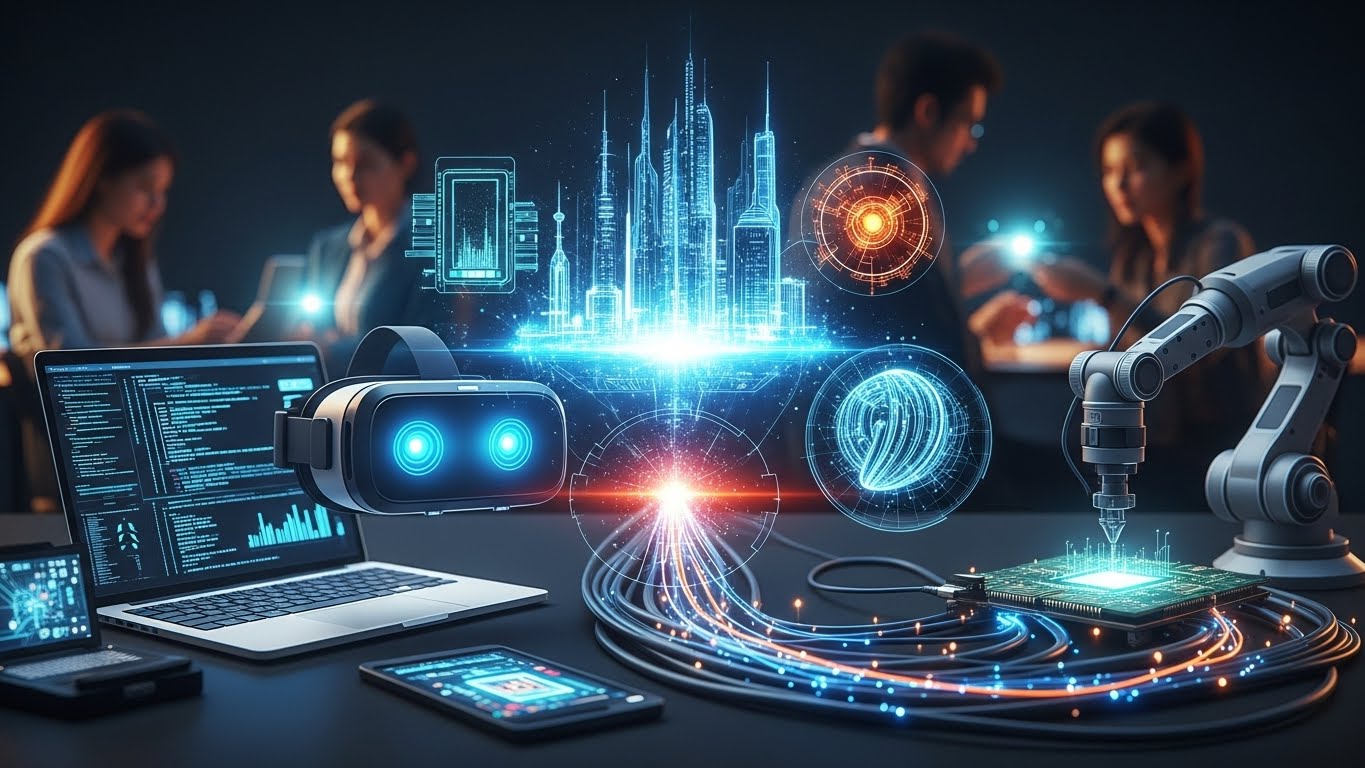
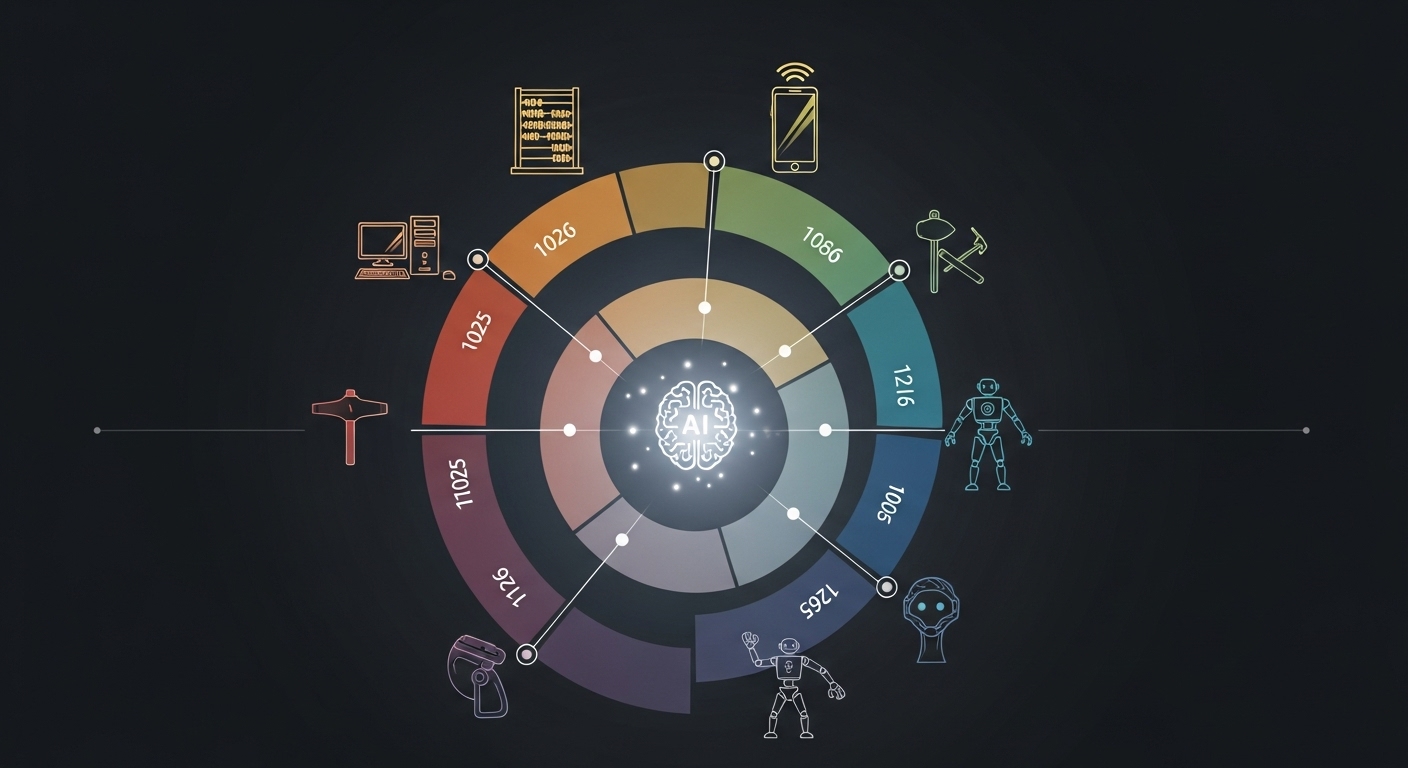
Technology is no longer just a tool—it has become the foundation upon which modern society thrives. From the smartphones we carry to the advanced artificial intelligence systems shaping industries, technology has integrated into almost every facet of our lives. Its evolution is continuous, driven by human creativity, scientific discovery, and a constant desire for improvement. In this post, we will explore various dimensions of technology, including computing, communication, artificial intelligence, robotics, cybersecurity, and future trends, to understand how deeply it impacts our daily existence.
The Rise of Computing Power
The history of computing is a testament to human innovation. From early mechanical calculators to today’s quantum computers, computing has undergone a dramatic transformation. Initially, computers were bulky machines capable of performing only simple calculations. The introduction of microprocessors in the 1970s revolutionized computing by drastically reducing size while increasing computational power. Personal computers soon became mainstream, opening doors to software development, gaming, and productivity tools that reshaped the way people live and work.
Modern computing is characterized by its speed, efficiency, and ubiquity. Cloud computing has further changed the landscape, enabling businesses and individuals to store and access vast amounts of data without the limitations of local hardware. This shift not only improves efficiency but also fosters collaboration, as teams can work seamlessly from different locations around the globe. High-performance computing is now applied in areas like weather forecasting, scientific research, and financial modeling, demonstrating the sheer versatility and potential of technology in solving complex problems.
Artificial Intelligence: Intelligence Redefined
Artificial intelligence (AI) is perhaps the most transformative technology of our era. Unlike traditional software that follows explicit instructions, AI systems learn from data, identify patterns, and make predictions. Machine learning, a subset of AI, allows computers to improve performance over time without human intervention. This capability is fueling advancements across industries, from healthcare to finance.
In healthcare, AI algorithms assist doctors in diagnosing diseases with remarkable accuracy, analyzing medical images, and predicting patient outcomes. Autonomous vehicles rely on AI for navigation, object recognition, and decision-making, pushing the boundaries of mobility. AI-powered virtual assistants, chatbots, and recommendation systems have become integral to our daily digital experiences, influencing everything from shopping choices to social interactions. While AI offers immense benefits, it also raises ethical and societal questions, such as job displacement, bias in decision-making, and privacy concerns, all of which demand careful consideration.
The Internet of Things: Connecting the Unconnected
The Internet of Things (IoT) represents a world where devices communicate with each other, creating a network of interconnected systems. IoT is no longer limited to smart home gadgets like thermostats and security cameras. Industrial IoT (IIoT) is revolutionizing manufacturing, supply chains, and energy management by enabling real-time monitoring, predictive maintenance, and data-driven decision-making.
Smart cities leverage IoT to optimize traffic flow, reduce energy consumption, and enhance public safety. Wearable devices track health metrics such as heart rate, sleep patterns, and activity levels, empowering individuals to make informed lifestyle choices. IoT’s potential is immense, but it also introduces challenges related to security and data privacy, as more devices online increase the surface for potential cyberattacks.
Cybersecurity: Protecting the Digital Frontier
As technology becomes more embedded in our lives, the importance of cybersecurity cannot be overstated. Cyber threats have evolved in sophistication and scale, targeting individuals, businesses, and governments alike. Malware, ransomware, phishing attacks, and data breaches have become daily concerns, highlighting the need for robust security measures.
Cybersecurity involves a combination of technical defenses, such as encryption, firewalls, and intrusion detection systems, as well as user education and organizational policies. The rise of AI has introduced both opportunities and risks in cybersecurity: while AI can enhance threat detection, it can also be exploited by cybercriminals to conduct more complex attacks. Ensuring cybersecurity is a continuous battle, requiring constant vigilance, innovation, and adaptation to emerging threats.
Robotics: Machines with Purpose
Robotics has come a long way from industrial machines performing repetitive tasks. Modern robots are highly sophisticated, combining mechanical engineering, AI, and sensor technology to execute complex operations with precision. In manufacturing, collaborative robots, or “cobots,” work alongside humans to enhance productivity and safety.
Service robots are increasingly present in healthcare, hospitality, and logistics. Surgical robots enable minimally invasive procedures, reducing recovery time and improving patient outcomes. Autonomous drones are employed for delivery, inspection, and disaster response, demonstrating versatility and efficiency. Robotics is not only reshaping industries but also challenging our perceptions of human labor and interaction with machines.
Cloud Computing: Powering the Digital Age
Cloud computing has redefined how we store, access, and process information. By leveraging remote servers and data centers, cloud platforms allow businesses to scale operations, reduce infrastructure costs, and enhance collaboration. Cloud services are categorized into three main types: Infrastructure as a Service (IaaS), Platform as a Service (PaaS), and Software as a Service (SaaS), each offering distinct benefits to organizations and developers.
For startups and small businesses, cloud computing provides access to advanced tools and resources that were once exclusive to large corporations. For global enterprises, it ensures seamless integration across regions, supporting remote work and international collaboration. The cloud is also a backbone for emerging technologies like AI, big data analytics, and IoT, enabling real-time data processing and sophisticated insights.
Blockchain and Decentralized Systems
Blockchain technology, initially popularized by cryptocurrencies, offers a secure, transparent, and decentralized method of recording transactions. Beyond finance, blockchain is being explored for supply chain management, healthcare recordkeeping, digital identity verification, and smart contracts. The technology’s decentralized nature reduces reliance on intermediaries and enhances trust among participants.
Decentralized finance (DeFi) platforms are reshaping traditional banking by enabling peer-to-peer transactions without centralized authorities. Non-fungible tokens (NFTs) leverage blockchain to establish digital ownership, creating new opportunities for artists, collectors, and creators. While blockchain promises transparency and security, challenges such as scalability, energy consumption, and regulatory compliance remain critical considerations for widespread adoption.
Virtual Reality and Augmented Reality
Virtual reality (VR) and augmented reality (AR) are redefining how we perceive and interact with digital content. VR immerses users in a fully digital environment, enabling applications in gaming, training simulations, virtual tourism, and therapy. AR overlays digital elements onto the real world, enhancing experiences in retail, education, healthcare, and navigation.
The potential of VR and AR extends beyond entertainment. In education, these technologies provide interactive and immersive learning experiences, allowing students to explore concepts visually and practically. In healthcare, AR aids surgeons by providing real-time guidance during complex procedures. As hardware becomes more affordable and software more sophisticated, VR and AR are poised to become mainstream tools across various sectors.
5G and the Future of Connectivity
The deployment of 5G networks marks a significant leap in connectivity, offering faster data speeds, lower latency, and higher capacity. This technological advancement enables real-time communication for autonomous vehicles, remote surgeries, smart cities, and IoT ecosystems. 5G is not merely an incremental upgrade but a catalyst for innovation, unlocking possibilities that were previously constrained by network limitations.
Enhanced connectivity also fosters new business models and services, such as cloud gaming, immersive media experiences, and telepresence. However, the global rollout of 5G requires substantial infrastructure investment and coordination among governments, telecommunication companies, and technology providers. The benefits of 5G extend far beyond speed, promising a connected ecosystem that drives innovation, efficiency, and convenience.
Green Technology: Innovating for Sustainability
Technology is increasingly intertwined with sustainability, as industries seek to reduce environmental impact while maintaining efficiency. Renewable energy technologies, such as solar panels, wind turbines, and energy storage systems, are crucial in addressing climate change. Smart grids optimize electricity distribution, integrate renewable sources, and reduce waste.
Electric vehicles (EVs) are transforming the transportation sector by reducing dependence on fossil fuels and lowering carbon emissions. Innovations in battery technology, charging infrastructure, and vehicle efficiency are driving EV adoption globally. Green technology is not limited to energy; it encompasses sustainable manufacturing practices, water management, waste reduction, and eco-friendly materials. Technological innovation, when aligned with environmental responsibility, holds the key to a sustainable future.
The Ethical Dimensions of Technology
As technology advances, ethical considerations become increasingly important. AI bias, data privacy, surveillance, and digital addiction are pressing concerns that society must address. Technology has the power to amplify inequality if access and benefits are unevenly distributed. Ethical frameworks, regulations, and responsible innovation are essential to ensure technology serves humanity rather than undermines it.
The role of policymakers, industry leaders, and the public is critical in shaping ethical technology use. Transparent practices, inclusive design, and accountability mechanisms help mitigate risks while promoting fairness and trust. Balancing innovation with ethical responsibility is a defining challenge of our technological era.
Future Trends and Emerging Technologies
Looking ahead, several emerging technologies are poised to reshape the landscape further:
- Quantum Computing: Promises to solve problems that are currently intractable for classical computers, impacting cryptography, material science, and optimization.
- Brain-Computer Interfaces: Enable direct communication between the human brain and machines, opening possibilities in healthcare, communication, and human augmentation.
- Autonomous Systems: Self-driving vehicles, drones, and robotics will increasingly operate independently, transforming industries and everyday life.
- Biotechnology and Synthetic Biology: Offer solutions in medicine, agriculture, and environmental management, blending biology with technological innovation.
- Edge Computing: Brings computation closer to the source of data, enhancing real-time processing for IoT, autonomous systems, and industrial applications.
The convergence of these technologies will create ecosystems that are more intelligent, responsive, and interconnected than ever before.
Conclusion: Technology as a Catalyst for Progress
Technology is not just shaping our present—it is defining our future. From the way we communicate, work, and entertain ourselves, to the way we address global challenges, technology is a driving force for progress. Its potential is boundless, yet it comes with responsibilities that require careful thought, ethical consideration, and sustainable practices.
The future of technology lies in innovation that is inclusive, responsible, and forward-looking. As we continue to explore new frontiers, one thing remains clear: technology will continue to transform lives, reshape industries, and redefine what it means to be human in an increasingly connected world.